
Is Root Canal Treatment Safe for Adults?
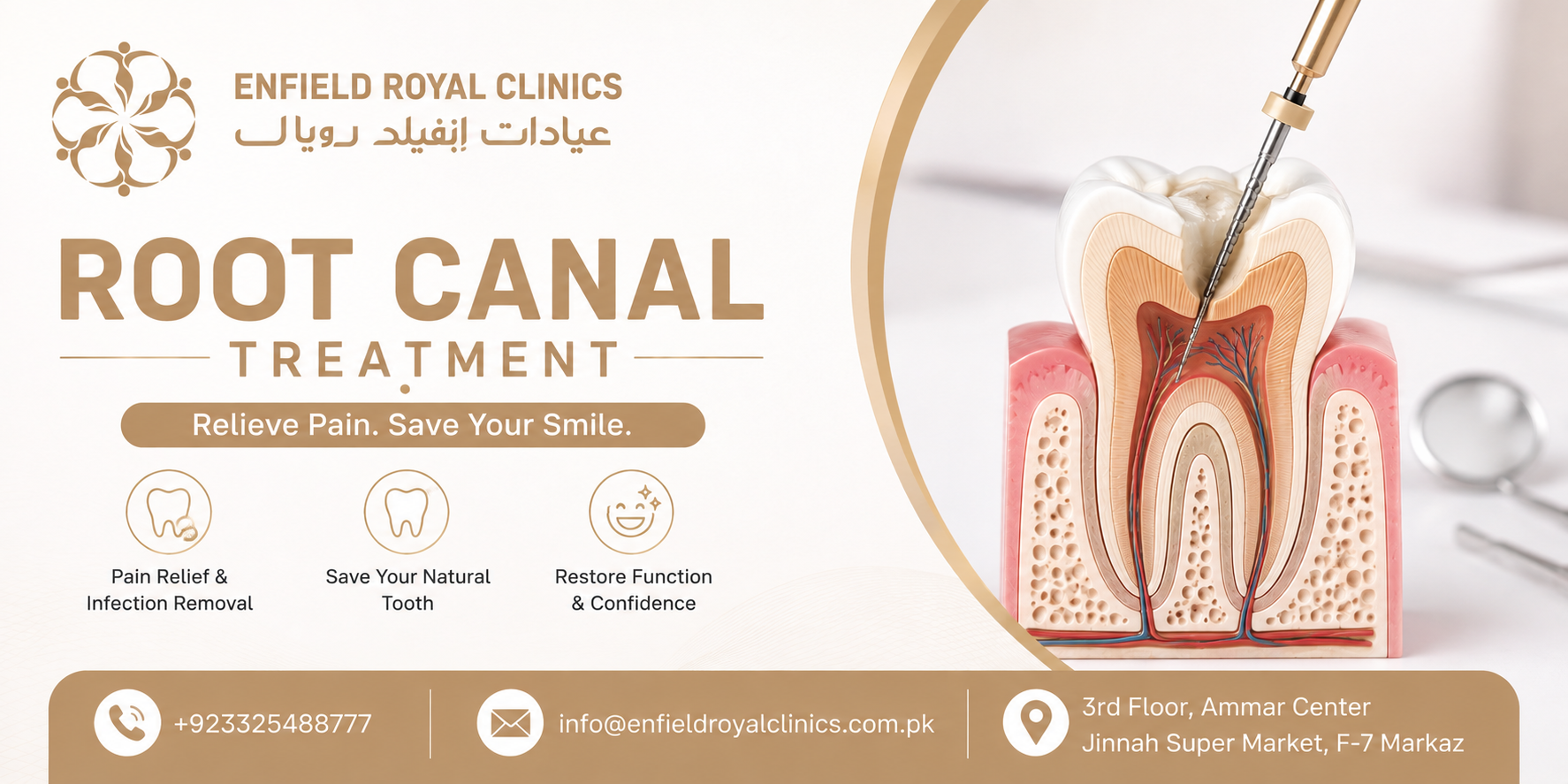
Dental treatment can sometimes feel intimidating, especially when a procedure involves an infected or damaged tooth. Many adults wonder whether a root canal is safe, what the procedure involves, and whether there are risks they should know about. In modern dentistry, Root Canal Treatment is a commonly performed procedure used to treat infection or inflammation inside a tooth and preserve the natural structure whenever possible.
Understanding how the procedure works and what to expect can help adults approach treatment with greater confidence.
Why Might an Adult Need Treatment?
The soft tissue inside a tooth contains nerves and blood vessels. Deep decay, cracks, trauma, or repeated dental procedures can damage this tissue and allow bacteria to enter.
When the pulp becomes severely inflamed or infected, it may cause persistent toothache, prolonged sensitivity, pain while chewing, swelling, or an abscess. In such cases, leaving the problem untreated can allow infection to spread to the tissues surrounding the tooth.
Treatment removes the damaged tissue and cleans the internal canals, helping control the infection while keeping the natural tooth in place.
Is the Procedure Generally Safe?
For most suitable adult patients, treatment is considered a routine dental procedure. Dentists use local anesthesia to numb the affected area, which helps keep the procedure comfortable.
Modern dental instruments, imaging techniques, and infection-control practices allow dentists to work carefully within the small internal spaces of a tooth. The procedure is planned according to the patient's individual dental condition rather than using the same approach for every case.
As with any medical or dental procedure, complications can occur, but they are not common when treatment is appropriately planned and performed.
How Does the Dentist Keep Patients Comfortable?
Fear of pain is one of the main concerns surrounding this procedure. Before treatment begins, the dentist normally administers local anesthesia to numb the tooth and surrounding area.
Patients may notice pressure, vibration, or movement while the dentist works, but significant sharp pain should not normally occur. If a patient experiences discomfort during the procedure, the dentist can assess the situation and provide additional anesthesia when appropriate.
Discussing dental anxiety with the dentist before treatment can also help create a more comfortable experience.
What Happens During the Procedure?
The dentist first examines the tooth and may use dental X-rays to evaluate its roots and surrounding structures. After the area is numb, a small opening is made in the tooth.
The damaged pulp is removed, and the internal canals are carefully cleaned and shaped. The canals are then filled and sealed to help prevent bacteria from entering again.
Afterward, the tooth usually needs a permanent restoration. Depending on the amount of remaining tooth structure, this may involve a filling or a crown.
What Are the Benefits for Adults?
One of the main advantages is that treatment can preserve a natural tooth that might otherwise need to be extracted. Keeping the tooth can help maintain normal chewing and prevent neighboring teeth from moving into the empty space.
It may also avoid some of the additional procedures associated with replacing a missing tooth. Depending on the circumstances, replacing an extracted tooth may require an implant, bridge, or denture.
For an adult with a restorable tooth, preserving the original tooth can therefore be a valuable long-term option.
Are There Any Risks?
Although complications are uncommon, no dental procedure is completely risk-free. Some patients may experience temporary tenderness or discomfort after treatment as the tissues around the root recover.
Occasionally, a canal may be difficult to locate or clean completely because of complicated anatomy. A tooth may also become reinfected if bacteria enter again through a damaged restoration or inadequate seal.
In some cases, a treated tooth can fracture if it has lost substantial structural support. This is one reason why a protective crown may be recommended for certain teeth.
Your dentist can explain the specific risks based on the condition of your tooth.
Is It Safe for Older Adults?
Age alone does not usually prevent an adult from receiving treatment. Older patients may have several dental restorations, worn teeth, gum problems, or other oral health concerns, but these factors can be assessed during a dental examination.
The dentist will consider the condition of the tooth, surrounding tissues, and the patient's overall treatment needs before recommending a procedure.
The goal is to select an approach that provides the best chance of controlling infection and maintaining oral function.
What Is Recovery Like?
Recovery is generally manageable for most adults. Mild tenderness can occur after the procedure, particularly when biting or applying pressure to the treated tooth.
Following the dentist's instructions can support a smooth recovery. Patients may be advised to avoid chewing hard foods on the tooth until its final restoration has been completed.
Maintaining regular brushing and cleaning between the teeth is also important. Once the tooth has been fully restored, it should be cared for like the other teeth.
When Should You Contact Your Dentist After Treatment?
Some temporary soreness can be expected, but severe or worsening symptoms should be evaluated. Contact your dental professional if significant swelling develops, pain becomes increasingly intense, or discomfort does not improve as expected.
Additional evaluation may be necessary to identify the cause. In some situations, the tooth may need further treatment or an adjustment to its restoration.
Prompt attention can help prevent a minor post-treatment issue from becoming more complicated.
Can It Prevent Tooth Extraction?
In many appropriate cases, Root Canal Treatment can prevent the need for extraction by removing infection from inside the tooth while preserving its outer structure.
However, not every tooth can be saved. Teeth with severe structural damage, certain fractures, advanced supporting-tissue problems, or insufficient remaining tooth structure may have a poor prognosis.
A dental examination and appropriate imaging are necessary to determine whether preservation is realistic.
How Can Adults Protect a Treated Tooth?
A treated tooth still requires good care. Brushing twice a day with fluoride toothpaste, cleaning between the teeth, and attending regular dental checkups can help protect it from new decay.
It is also important to have the final restoration placed as recommended. Delaying a crown or permanent restoration when one is needed can leave the tooth vulnerable to fracture.
Avoiding habits such as chewing ice, opening packages with the teeth, or biting extremely hard objects can provide additional protection.
Final Thoughts
For most suitable adults, Root Canal Treatment is a well-established dental procedure that can safely address infection or severe inflammation inside a tooth. It uses local anesthesia, modern instruments, and careful cleaning techniques to control the underlying problem while preserving the natural tooth.
Temporary tenderness can occur afterward, and complications are possible, but a professional evaluation helps identify individual risks and determine the most appropriate approach. Adults experiencing persistent tooth pain, swelling, prolonged sensitivity, or discomfort while chewing should seek a dental assessment rather than delaying treatment.
For more information visit Enfield royal clinic in islamabad

 Arabic
 French
 Spanish
 Portuguese
 Deutsch
 Turkish
 Dutch
Dutch
 Italiano
 Russian
 Romaian
 Portuguese (Brazil)
 Greek
Greek