
Does Laser Hair Removal Permanently Reduce Hair?
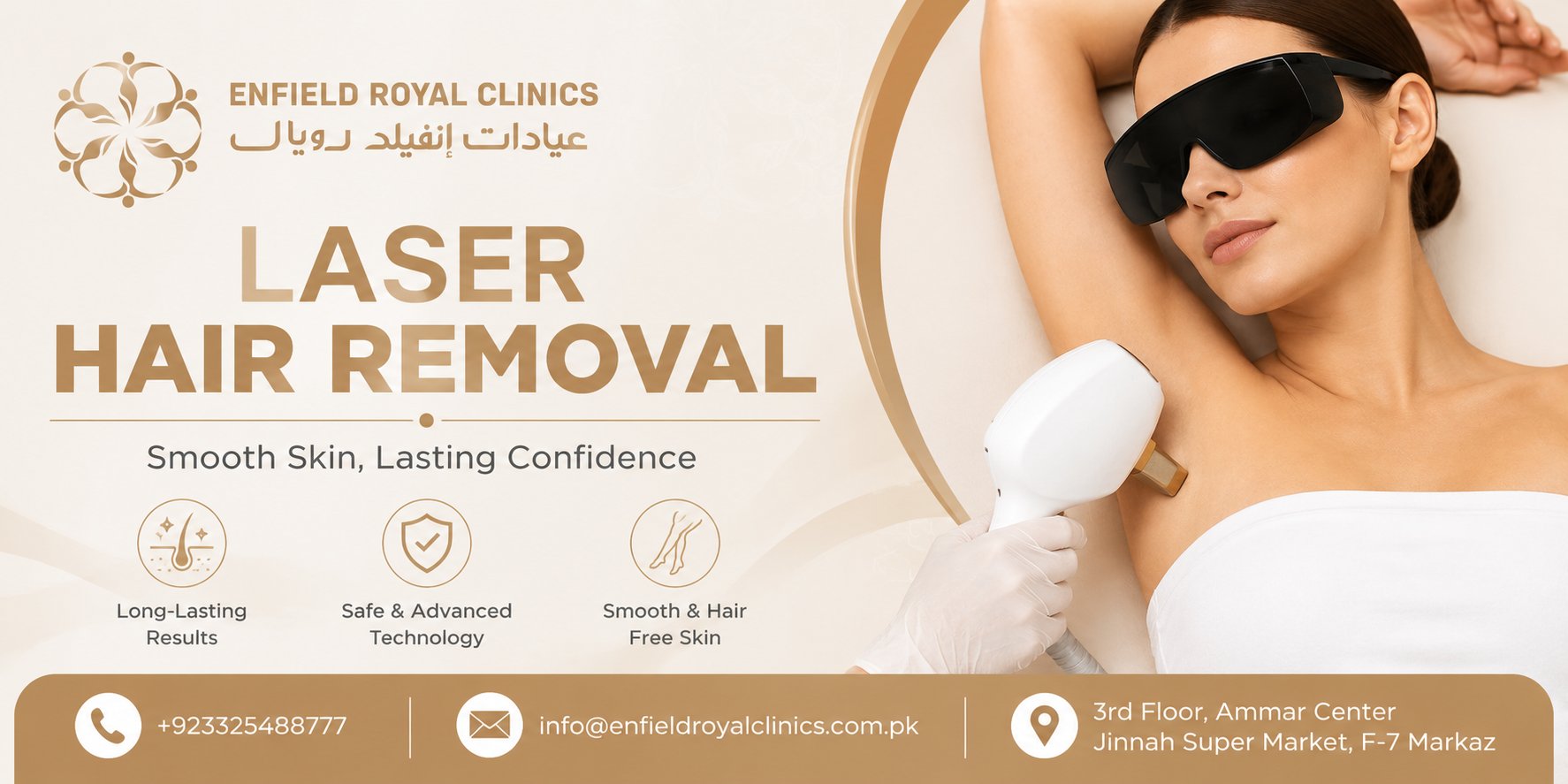
Laser Hair Removal is widely used by people who want to reduce unwanted hair and decrease the need for regular shaving, waxing, or other temporary methods. One of the biggest questions before starting treatment is whether the results are truly permanent. While laser treatment can provide long-term hair reduction, it is important to understand that it does not always mean every treated hair will disappear forever.
The treatment works by targeting hair follicles with concentrated light energy. Repeated sessions can weaken many follicles and significantly reduce their ability to produce hair. However, individual results vary, and some regrowth can occur over time.
How Does Laser Treatment Reduce Hair?
Laser treatment uses controlled pulses of light that are absorbed by pigment in the hair. The energy is converted into heat and travels toward the follicle, where it can interfere with the follicle's ability to produce new hair.
The process is most effective when the hair is in its active growth phase. Because hair follicles are not all active at the same time, multiple sessions are required to treat a larger percentage of them.
With repeated treatments, many follicles become less active. Hair may grow more slowly, appear finer, and become less dense than it was before treatment.
Is the Hair Reduction Permanent?
Laser treatment is generally described as providing long-term hair reduction rather than guaranteeing complete permanent hair removal. The number of active follicles can be significantly reduced, but some follicles may eventually produce new hair.
Several factors can influence regrowth, including hormones, age, genetics, hair characteristics, and the treatment area. Some individuals may experience very little regrowth, while others may notice scattered hairs after completing their initial treatment course.
Therefore, the realistic goal is a substantial and lasting reduction in unwanted hair rather than expecting every follicle to be permanently eliminated.
Why Are Multiple Sessions Important?
One session cannot normally treat every hair follicle effectively because hair grows in different stages. The laser primarily works when follicles are in the active growth phase.
As other follicles enter this phase during later weeks, additional treatments can target them. This is why a planned series of appointments is generally more effective than relying on a single session.
Over time, repeated exposure to appropriate laser energy can progressively reduce the number of follicles capable of producing noticeable hair.
What Happens to Hair After Treatment?
Hair does not always disappear immediately after an appointment. Treated hairs may gradually loosen and shed from the follicle over the following days or weeks.
During a course of treatment, patients may notice that regrowth becomes slower and the remaining hair looks thinner. The density can also decrease, making the treated area easier to maintain.
These changes usually develop gradually rather than appearing overnight. Results should therefore be evaluated across several sessions instead of judging effectiveness after only one appointment.
Which Factors Affect Long-Term Results?
Several individual factors influence how much hair reduction can be achieved. Hair color is especially important because the treatment relies on pigment to absorb the laser energy.
Dark, coarse hair generally responds more readily than very light blonde, gray, or white hair. The type of laser and its settings also influence how effectively the energy reaches the follicle.
Skin tone can affect technology selection as well. Modern laser systems can accommodate many different complexions, but treatment parameters should be carefully adjusted to balance effectiveness and skin safety.
Can Hormones Cause Hair to Return?
Hormonal changes can contribute to new or renewed hair growth even after successful treatment. This is particularly relevant for areas such as the face, chin, neck, and jawline.
When hormones stimulate previously inactive follicles, new hairs can develop independently of the follicles that were successfully weakened during earlier treatments.
This does not necessarily mean the original treatment failed. It may simply reflect ongoing biological changes. In such cases, additional sessions may help control the newly appearing hair.
Are Maintenance Sessions Necessary?
Some people choose occasional maintenance appointments after completing their main course of treatment. The need for these sessions varies significantly.
A person who has experienced substantial reduction may only notice a small amount of regrowth from time to time. Another individual may require more frequent maintenance because of hormonal or genetic factors.
Maintenance treatment focuses on managing new growth rather than repeating the entire initial course. Your practitioner can recommend an appropriate schedule based on how your hair responds.
Is the Reduction the Same for Every Body Area?
No. Different areas can respond differently because hair density, thickness, growth rate, and hormonal sensitivity vary across the body.
The legs and underarms may respond differently from the face, where hormonal influences can be stronger. Areas with thicker, darker hair may also respond more visibly than areas with very fine hair.
A personalized treatment plan is therefore more useful than expecting identical results across the entire body.
How Can You Maintain the Results?
Following professional recommendations throughout the treatment course can help support consistent results. Patients are generally advised to attend sessions according to the recommended schedule and avoid waxing or plucking between appointments when instructed.
Sun protection is also important because excessive UV exposure can increase skin sensitivity and affect treatment suitability. Proper aftercare can help reduce irritation and support healthy-looking skin.
Tracking changes across appointments can make it easier to understand how effectively the hair is responding.
Is Laser Treatment Better Than Temporary Hair Removal?
Traditional methods such as shaving, waxing, and depilatory creams primarily remove visible hair temporarily. They do not target the follicle in the same way.
Laser treatment takes a different approach by directing energy toward the follicle and aiming to reduce future growth. This can make it an attractive option for people tired of frequent maintenance.
However, laser treatment usually requires a higher initial commitment because several appointments are needed, and occasional maintenance may still be required.
What Should You Expect From Treatment?
Realistic expectations are important. A successful treatment course can result in a substantial reduction in unwanted hair, slower regrowth, and finer remaining hairs.
The exact outcome depends on the individual's skin and hair characteristics, the treatment technology, and biological factors. No reputable provider should guarantee that every hair will permanently disappear.
A consultation can help determine whether the treatment is appropriate and provide a more personalized expectation based on your specific characteristics.
Final Thoughts
Laser Hair Removal can provide long-lasting and significant hair reduction, but it should not automatically be considered a guarantee of permanent hair removal. Repeated treatments can weaken many follicles and dramatically reduce hair growth, while some follicles may remain capable of producing hair.
Maintenance sessions may be useful for managing later regrowth, especially when hormonal or biological factors are involved. A qualified professional can assess your hair and skin, recommend suitable technology, and create a treatment plan designed around your individual goals.
For more information visit Enfield royal clinic in islamabad

 English
 Arabic
 French
 Spanish
 Portuguese
 Deutsch
 Turkish
 Dutch
Dutch
 Italiano
 Russian
 Romaian
 Portuguese (Brazil)