
How to Spot Fake orSlow Clothing
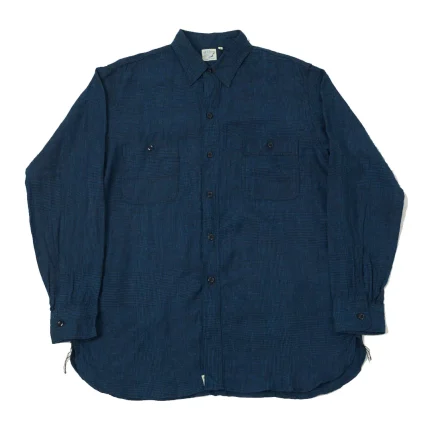
Buying Japanese heritage clothing online can be rewarding, but popular brands can also attract counterfeit sellers. Learning how to spot fake orSlow clothing is especially useful because the brand has an established international following and many of its classic pieces remain desirable for years. The safest starting point is not a single label detail or stitching pattern. Instead, buyers should compare the seller, product information, model number, fabric, construction, labels, and price. The official orSlow website currently lists established models such as the 105 Standard, 107 Ivy Fit, 5002 US Army Fatigue Pants, 5032 Slim Fit Fatigue Pants, 6002 1950's Denim Jacket, and several other long-running pieces.
Start With the Seller
The easiest way to reduce the risk of buying fake orSlow clothing is to investigate the retailer before looking closely at the garment itself. The official website maintains an international store list covering Japan, the United States, the United Kingdom, Europe, Australia, Canada, and other markets. If an online store appears unfamiliar, check whether it is included in the official retailer directory. A retailer's presence on the brand's authorized store list provides much stronger evidence of legitimacy than a professional-looking website alone.
Be Careful With Fake Websites
Website verification has become particularly important because the brand issued an official warning in April 2026 about fraudulent websites using the orSlow name and logo. The company specifically identified orslow.org/store/ as an unauthorized website and stated that it has no connection with the brand. This means shoppers should never assume that a website is genuine simply because it uses the correct brand name, photographs, or logo. Fake stores can be designed to look convincing, so checking the official retailer directory should come before entering payment or personal information.
Compare the Product With the Official Collection
When checking orSlow Jeans clothing, compare the garment with information published on the official product pages. Genuine models have identifiable names, lot numbers, materials, and dates associated with their basic collection. For example, the official men's collection identifies the 105 Standard as lot 01-1050 and the 5002 US Army Fatigue Pants as lot 01-5002. If a seller provides a product code, search for that code and compare it with official information. A mismatch does not automatically prove that a garment is fake, but it is a reason to investigate further.
Examine the Brand Label
Labels should be inspected carefully, but they should not be used as the only authentication test. Look at the spelling, typography, stitching, material, placement, and overall quality of the label. Compare photographs from reputable retailers with the garment being offered. A poorly printed label, uneven lettering, loose stitching, or strange spacing can be warning signs. At the same time, genuine garments can have different labels because products change over the years, so an older label should not automatically be considered counterfeit.
Remember the White Tab Change
One particularly important detail concerns the white ORSLOW tab that appeared on some older denim and jackets. The brand announced in 2019 that it would remove the white tab with blue lettering from jeans and denim jackets. Products with the tab would remain in stores only as existing stock. This means the presence or absence of the tab cannot by itself determine whether a garment is genuine. A vintage or older piece may legitimately have a white tab, while a newer garment may not.
Check the Model Number
Model numbers are among the most useful details when investigating orSlow clothing. The official collection assigns specific lot numbers to its established designs. The 107 Ivy Fit is listed as 01-0107, the 105 Standard as 01-1050, the 5002 US Army Fatigue Pants as 01-5002, and the 5032 Slim Fit Fatigue Pants as 01-5032. A seller who provides a model number gives you something concrete to research. If the number belongs to a completely different garment, the listing deserves extra scrutiny.
Look at the Fabric
Fabric can provide another useful clue. Genuine orSlow pieces often use specific original textiles developed for particular designs. The official collection, for example, lists 13.7-ounce original selvedge denim for the 105 Standard, original reverse sateen for the 5002 Fatigue Pants, herringbone twill for the 5000 French Work Pants, and original ripstop poplin for the 1002 New Yorker. If a seller describes a product with a fabric that conflicts strongly with the official model information, ask questions before purchasing.
Study the Construction
Quality construction is another area worth examining when checking orSlow clothing. Look at seams, stitching density, pocket construction, buttons, zippers, hems, and overall finishing. Heritage garments often contain many small construction details that are difficult for counterfeit producers to reproduce consistently. A garment that feels unusually flimsy or poorly assembled should receive additional attention. Construction alone cannot prove authenticity, but it becomes much more useful when combined with model, fabric, label, and retailer information.
Compare the Silhouette
Counterfeit garments can sometimes copy the general appearance of a product while missing its proportions. Compare measurements and photographs with reliable examples. This is particularly useful for models such as the 105 Standard and 107 Ivy Fit because the two denim styles have different intended silhouettes. The official collection identifies both as established models with distinct product numbers and materials. If the rise, leg shape, pocket position, or overall proportions look noticeably different, ask the seller for additional measurements and photographs.
Inspect Denim Details
Denim pieces deserve their own inspection because fabric construction can reveal differences that photographs do not always show. Look closely at the texture, stitching, buttons, rivets, pocket shape, hem, and selvedge where applicable. The official 105 Standard, for example, is described as using 13.7-ounce original selvedge denim. A seller claiming to offer that specific model should be able to provide detailed photographs that allow you to examine the denim and construction rather than relying on a single stock image.
Do Not Trust Stock Photos Alone
A suspicious listing often uses only professional photographs taken from another retailer or the brand's website. Those images may show what the genuine product looks like, but they do not prove that the seller actually possesses an authentic garment. Ask for photographs of the exact item, including its label, size tag, model information, fabric, buttons, and interior details. Genuine sellers should generally be able to provide clear images of the product they are offering. Refusing to provide basic photographs can be a warning sign.
Watch the Price
Price should be considered carefully when buying orSlow clothing. The official brand specifically warns customers to be cautious about websites offering products at extremely low prices. A legitimate sale is possible, particularly when a retailer is clearing seasonal inventory, so a discount alone does not prove that something is fake. The concern arises when a relatively new or highly sought-after garment is offered for a price far below what authorized retailers normally charge. An unusually low price combined with an unknown seller is much more concerning.
Check the Product Description
A trustworthy listing should provide useful information about the garment rather than relying on vague descriptions. Look for the exact model, fabric, color, measurements, country of production, condition, and available sizes. Compare those details with the official collection. For example, the official site provides material information and model numbers for its basic garments, making it possible to check whether a retailer's description makes sense. Poorly written descriptions, copied information, inconsistent measurements, and contradictory specifications should encourage additional research.
Examine Buttons and Hardware
Small hardware details can also help when investigating authenticity. Check the shape and finish of buttons, snaps, rivets, zippers, and other components. They should appear appropriate for the particular model and consistent with photographs from reputable sources. Be careful with this test, though, because hardware can change between production periods or special editions. The goal is not to reject a garment because one button looks slightly different, but to identify several inconsistencies that appear together.
Be Extra Careful With Resale Listings
Second-hand marketplaces can be useful for finding older orSlow clothing, discontinued colors, and previous-season pieces. They also create greater authentication challenges because the seller may not be an authorized retailer. Ask for photographs of tags, labels, model numbers, and construction details. A seller who can explain where the garment was purchased and provide original receipts or retailer information may offer stronger evidence. None of these details should be treated as absolute proof, but several consistent pieces of evidence can increase confidence.
Older Pieces May Look Different
Age is important when judging authenticity. orSlow has been producing some of its basic designs for many years, and the official collection lists models that date back to the 2000s. The 5002 US Army Fatigue Pants, for example, are listed as a basic style since 2006, while the 105 Standard dates to 2008. An older genuine garment may therefore have different labels, fabric characteristics, or small construction details from a newer version. Always compare the item with references from the same production period when possible.
Check the Seller's Contact Information
A legitimate online store should provide clear information about its business, customer service, returns, and shipping. Look for a physical business address, working contact method, return policy, and transparent payment information. A website that hides its identity or offers only a generic contact form deserves additional caution. The official orSlow website identifies Base Denim Products Inc. as the company behind the brand and provides company information on its own site. This does not mean every legitimate retailer needs identical information, but transparency is a useful part of evaluating an unfamiliar seller.
What If You Already Bought a Suspicious Item?
If you have already purchased something that appears suspicious, save the listing, order confirmation, payment record, photographs, and all communication with the seller. Do not immediately remove the product from its packaging or alter it if you may need evidence for a payment dispute or return. Compare the garment with official information and contact the retailer for clarification. If the website itself appears fraudulent, avoid entering additional personal information. The official brand specifically advises customers not to access suspicious sites or provide personal information to them.
The Safest Authentication Method
No single detail can guarantee that a garment is authentic. The strongest approach is to combine several checks: retailer verification, model number, fabric, label, construction, measurements, photographs, pricing, and product history. Buying from an authorized retailer removes much of the uncertainty because the official orSlow store directory identifies retailers across many international markets. When purchasing an expensive piece, this route is usually safer than trying to authenticate an unknown listing after payment has already been made.
Final Thoughts
Learning how to spot fake orSlow clothing requires more than checking a logo. The most reliable process begins with the seller and continues through the product's model number, fabric, labels, construction, measurements, and price. The brand's 2026 warning about fraudulent websites makes retailer verification particularly important. Remember that older genuine garments can have details that differ from current releases, including the presence of the discontinued white ORSLOW tab. When several details match the official information and the seller is part of the authorized network, you can shop with considerably greater confidence.

 English
 Arabic
 French
 Spanish
 Portuguese
 Turkish
 Dutch
Dutch
 Italiano
 Russian
 Romaian
 Portuguese (Brazil)
 Greek
Greek