
Understanding the Benefits and Risks of Awake Spine Surgery
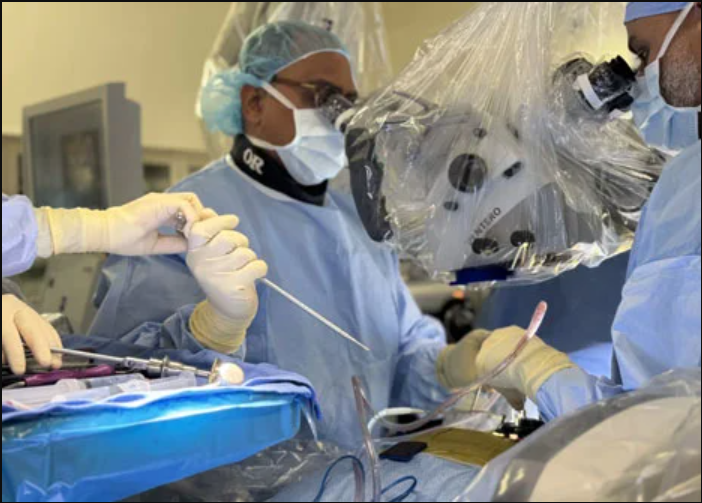
Awake spine surgery sounds like a concept straight out of science fiction, but it has become a genuine option for patients dealing with chronic back and neck issues. Instead of general anesthesia, surgeons use regional anesthesia or light sedation to keep patients comfortable while remaining conscious during the procedure. This approach offers several notable benefits, particularly for older adults or individuals with underlying health conditions that make general anesthesia risky. Because patients breathe on their own, the risk of respiratory complications drops significantly. Recovery time is often shorter, too, since the body does not have to process the heavy medications typically required to keep someone completely asleep.
Yet, this method is not right for everyone. The psychological aspect can prove challenging, as lying awake in an operating room while doctors work on your spine naturally triggers anxiety for many people. While patients typically feel pressure rather than sharp pain, the sounds and sensations of surgery can still be overwhelming. There is also the potential for unexpected movement, which requires a high level of trust and cooperation between the surgical team and the patient.
Ultimately, choosing this path comes down to a careful conversation with a specialist. Weighing your personal health history against the specific demands of the procedure helps ensure the safest and most effective route toward relief.

 Arabic
 French
 Spanish
 Portuguese
 Deutsch
 Turkish
 Dutch
Dutch
 Italiano
 Russian
 Romaian
 Portuguese (Brazil)
 Greek
Greek