
My Journey Accepting Hollow Knight: Silksong’s Brutal Soulslike Shift
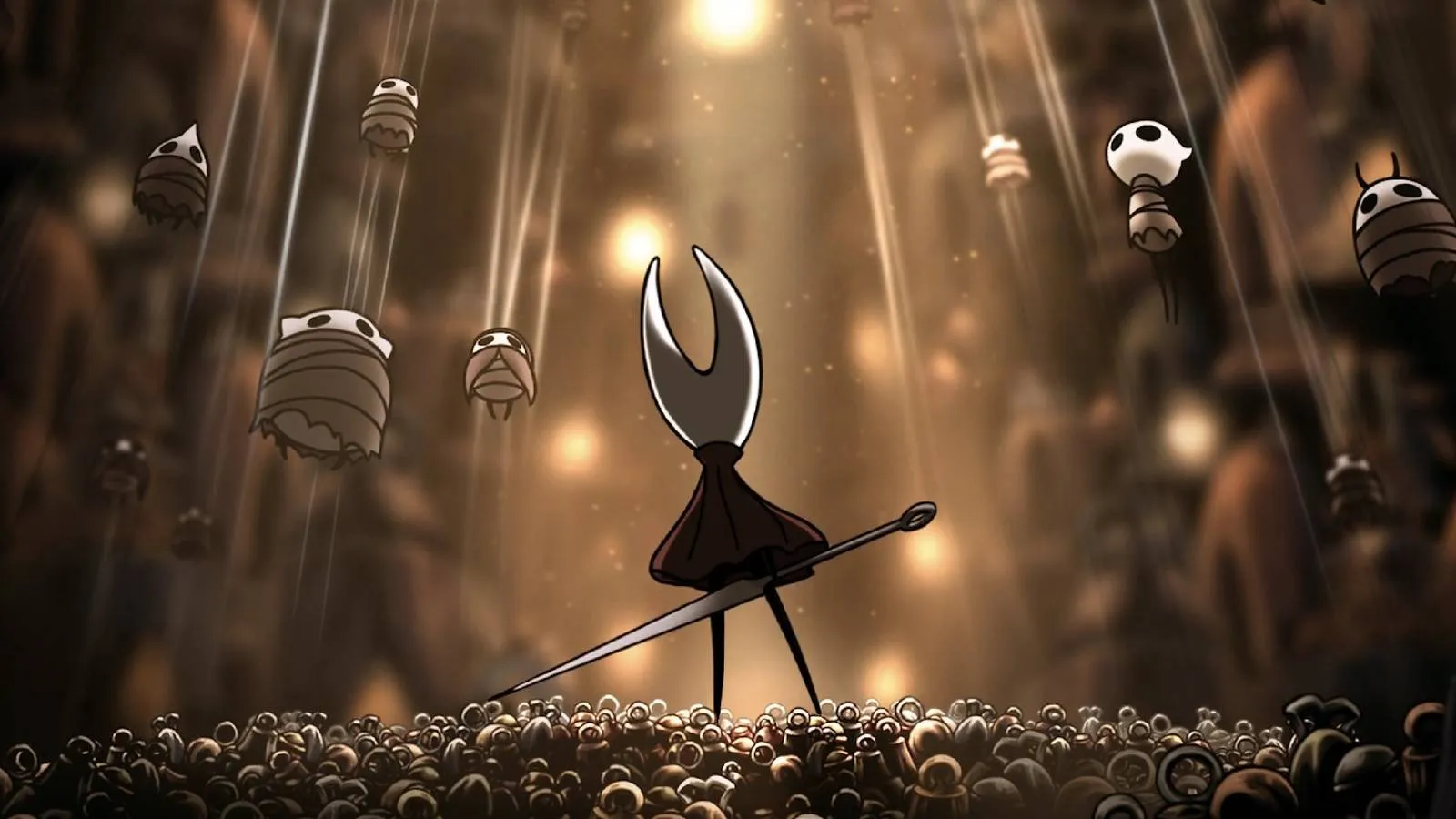
I still remember the moment I finally launched Hollow Knight: Silksong in the spring of 2026. After years of waiting, the title screen felt surreal. Hornet stood poised, needle ready, and I whispered, "Welcome back, old friend." Ten minutes later, I was dead. Then dead again. By the end of my first session, my death counter mocked me like a heartbeat outside my chest. I had beaten Hollow Knight multiple times—completed the Pantheons, embraced the pain—but this? This felt different. And that’s when the question hit me: was I playing a sequel, or an entirely new beast?
The truth, I soon realized, is that Silksong is not Hollow Knight 2. It’s a Soulslike wearing the pelt of a Metroidvania. In the original, I could brute-force my way through most encounters, heal repeatedly, and rely on exploration to outpace the danger. Here, every Mossgrub was a potential executioner. Why could something so small destroy me? Because Hornet’s agility is a double-edged needle: she darts faster than the Knight, but she shatters like glass. Heals are scarce, slow, and punishable. Bosses don’t wait for you to find your rhythm; they hunt you like a predator that’s already tasted blood.
This genre reversal explains the community outcry. Hollow Knight was a Metroidvania with Soulslike seasoning—area unlocks, ability-gated progress, and a gentle enough learning curve that even newcomers could fall in love with the world. Silksong flips that recipe: it’s a Soulslike first, seasoned with Metroidvania shortcuts. The Slab area? A clear love letter to Bloodborne’s kidnappers, ripping you from safety and dumping you into a nightmare zone where the rules change. The Skarrgard & Spear Skarr fight is a grinning homage to Ornstein & Smough, demanding spatial awareness and punishing every greed-driven swing. When I first stumbled into these moments, I didn’t feel clever. I felt ambushed. And yet, looking back, I ask myself: didn’t I secretly want that rupture? Didn’t I crave a world that refused to hold my hand?
The shift isn’t just in difficulty; it’s in philosophy. In Hollow Knight, death was a setback, a ghost to retrieve. In Silksong, death is a conversation. Each corpse teaches you a syllable of the enemy’s language. I remember grinding against Sister Splinter for hours—yes, hours—not because I was underleveled, but because her attack patterns were a dialect I had to learn from scratch. Why does the third phase always catch me? Because I’m still thinking like a Metroidvania player, hoarding resources and rushing for openings that don’t exist. The moment I slowed down, accepted that I would die a dozen times before earning a single victory, the game transformed from a tormentor into a rigorous, exhilarating mentor.
This is where many critics miss the point. They call Silksong unnecessarily punishing, but that label only makes sense if you’re still measuring it against its predecessor. Is a Soulslike punishing? Yes, but it’s a designed punishment—a crucible that forges patience and pattern recognition. The 91% positive English-language reviews on Steam don’t come from masochists; they come from players who, like me, went through the five stages of gameplay grief and arrived at acceptance. Denial: "Maybe my build is wrong." Anger: "This boss is broken!" Bargaining: "Let me just skip this area and come back." Depression: "I’ll never be good at this game." And finally, acceptance: "Death is inevitable, so let’s make it a lesson."
I won’t pretend the adjustment was easy. My muscle memory fought against Hornet’s tools every step. In the original, I mapped the world by growing stronger, unlocking new traversal abilities that made backtracking a joy. Here, ability gates still exist, but they feel like mercy rather than design pillars. Exploration doesn’t protect you; it exposes you. You don’t find the next area because you’re ready—you fight your way there because you’ve earned it with a small mountain of failures. And somehow, that made the discoveries even sweeter. When I finally scaled the Spire’s highest perch, every scarred pixel of the journey felt like mine.
What does all this mean for the future? It’s a reminder that sequels don’t have to clone the past. Team Cherry took a risk, and while it fractured the fanbase’s expectations, it also created something bold. I still love Hollow Knight for its accessible depth, but I love Silksong for refusing to be safe. If you’re struggling, I have one question: are you playing with the ghost of Hallownest’s expectations on your back? Let go. Embrace the Soulslike grind. Die, learn, and die again, because on the other side of that pain is a game that respects you enough to test you.
If this deep dive has reignited your desire to join Hornet on her climb, the next step is simply getting your hands on a copy. But with digital storefronts constantly rotating sales and regional pricing differences, knowing the right moment to buy can feel like a bossfight of its own.
That's where a quick game price comparison comes in handy, letting you find the best deal across platforms without hours of manual scrolling. Whether you're just starting your Soulslike journey or you've already mastered every phase, every penny saved is a small victory worth taking.
 Spanish
 English
 Arabic
 French
 Portuguese
 Deutsch
 Turkish
 Dutch
Dutch
 Italiano
 Russian
 Romaian
 Portuguese (Brazil)
 Greek
Greek