
How DGCA Ground Training Helps Students Build a Successful Career in Commercial Aviation
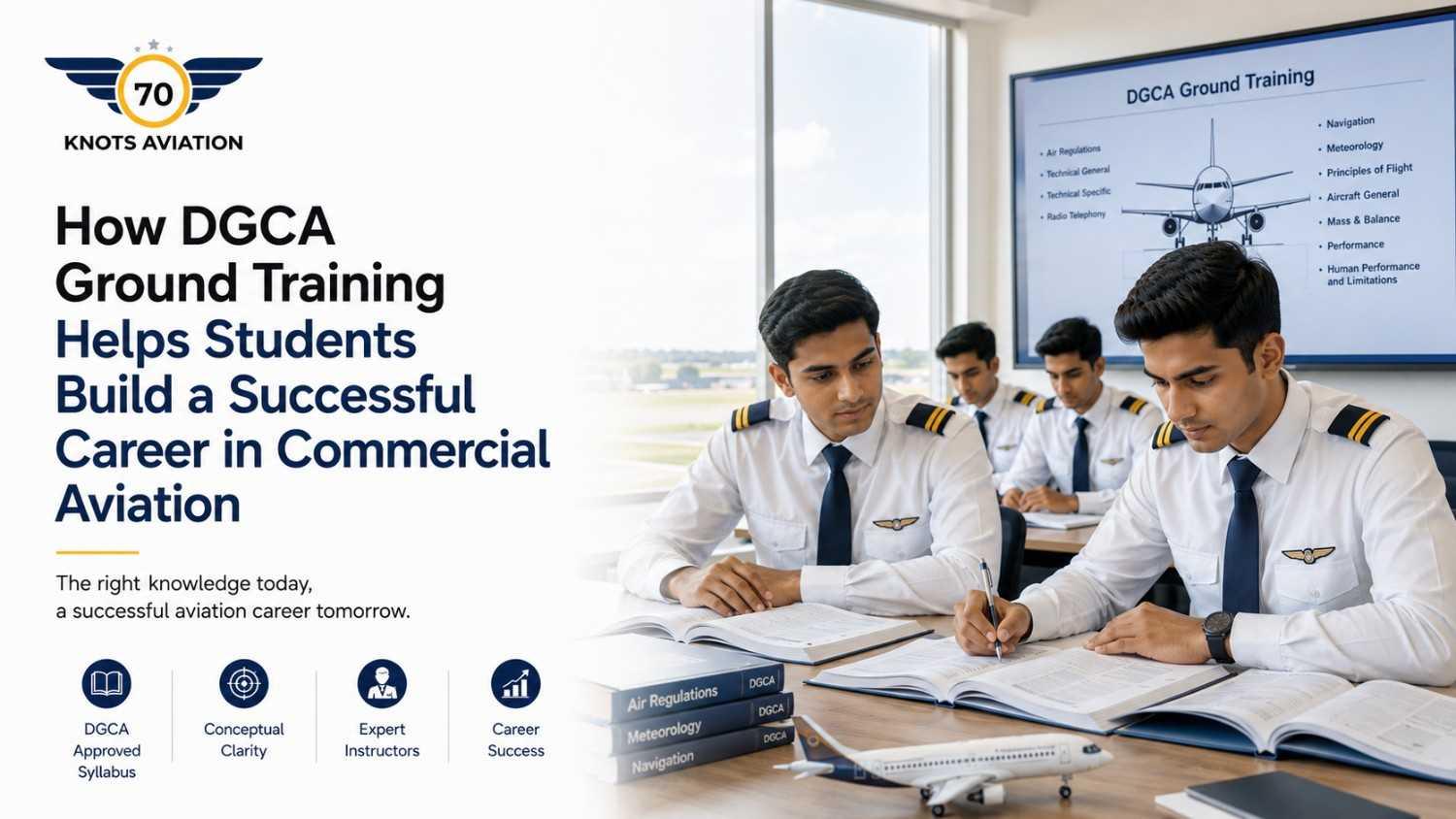
The aviation industry is one of the most exciting and challenging career fields for students who dream of becoming professional pilots. Flying an aircraft requires a combination of technical expertise, practical skills, confidence, and a strong understanding of aviation principles. While flight training teaches students how to operate an aircraft, DGCA ground training provides the theoretical foundation required to become a safe and knowledgeable pilot.
For aspiring commercial pilots in India, completing DGCA examinations is an important step toward obtaining a Commercial Pilot License (CPL). These examinations test a candidate’s understanding of important aviation subjects such as Air Navigation, Aviation Meteorology, Air Regulations, Technical General, and Radio Telephony. Proper preparation and professional guidance can significantly improve a student's chances of success.
Choosing the right aviation institute plays an important role in this journey. A reputed institute provides structured courses, experienced instructors, updated study material, and proper examination guidance. 70Knots Aviation focuses on helping aviation aspirants develop strong theoretical concepts and prepare effectively for their professional flying careers.
Understanding the Role of DGCA Ground Training in Pilot Education
Many students believe that becoming a pilot mainly depends on flight hours, but theoretical knowledge is equally important. Every professional pilot needs a deep understanding of aircraft systems, navigation techniques, weather conditions, and aviation regulations.
DGCA ground classes prepare students by explaining the concepts behind flight operations. These classes help candidates understand how different factors influence aircraft performance and how pilots make critical decisions during flights.
The major subjects covered in DGCA ground training include:
- Air Navigation: Helps students understand flight planning, navigation charts, aircraft positioning, and route management.
- Aviation Meteorology: Teaches students about weather conditions, forecasts, and their impact on aviation safety.
- Air Regulations: Covers aviation laws, procedures, and international safety standards.
- Technical General: Provides knowledge about aircraft engines, instruments, and operating systems.
- Radio Telephony: Develops communication skills required for interaction with air traffic controllers.
A strong understanding of these subjects allows pilots to handle different operational situations confidently. Ground training is not only about passing examinations; it builds the knowledge required for a successful aviation career.
Why Professional DGCA Training Is Important for Aspiring Pilots
The aviation industry follows strict safety standards, and pilots must meet specific requirements before operating commercial aircraft. Professional DGCA training ensures that students receive proper guidance according to the standards established by aviation authorities.
Self-study can help students understand basic concepts, but professional coaching provides a structured learning approach. Experienced instructors explain complex aviation topics in a simple manner and help students understand their practical applications.
Some major advantages of joining professional DGCA ground classes include:
- Better understanding of complex aviation concepts.
- Guidance from experienced aviation professionals.
- Regular practice sessions and assessments.
- Updated study material according to examination requirements.
- Improved confidence before appearing for DGCA examinations.
A systematic learning approach helps students maintain consistency and improves their overall preparation. This is why selecting the right training institute is one of the most important decisions for every aviation aspirant.
Choosing the Right Aviation Institute for Your Pilot Journey
Selecting an aviation institute requires careful research because the quality of training directly affects a student's learning experience. A good institute should provide a balanced combination of theoretical education, practical guidance, and career support.
Before selecting a training academy, students should consider factors such as faculty experience, course structure, teaching methods, student support, and preparation strategies.
A professional aviation institute should focus on creating industry-ready pilots rather than only preparing students for examinations. Understanding real-world aviation scenarios helps students develop better decision-making abilities.
Students searching for aviation education opportunities in Delhi can explore specialized programs offering Best DGCA Ground classes in Dwarka. These programs help candidates receive structured training and prepare for their DGCA examination requirements.
Dwarka has become a preferred location for many students because of its accessibility and educational infrastructure. Quality aviation training facilities in this region provide aspiring pilots with a suitable environment for learning and preparation.
The Connection Between Ground Training and Flight Training
Ground training and flight training are two essential parts of becoming a commercial pilot. While flight training develops practical flying skills, ground classes explain the theories behind those operations.
For example, pilots need to understand weather conditions before operating flights. Knowledge gained from Aviation Meteorology helps them analyze weather reports and make safe decisions. Similarly, Air Navigation knowledge allows pilots to plan routes accurately and manage aircraft positioning.
Without strong theoretical knowledge, students may face difficulties during advanced flight training. Ground classes create a foundation that allows candidates to understand practical lessons more effectively.
Preparing Effectively for DGCA Examinations
DGCA examinations require proper preparation, dedication, and regular practice. Since these exams cover detailed aviation concepts, students need a planned approach to complete their syllabus effectively.
Some useful preparation techniques include:
- Following a consistent study schedule.
- Making detailed notes of important aviation concepts.
- Practicing sample questions regularly.
- Revising topics multiple times before examinations.
- Taking guidance from experienced instructors.
Regular practice helps students identify weak areas and improve their understanding. Professional training institutes provide additional support through assessments and revision sessions.
Career Scope After Completing Commercial Pilot Training
The aviation sector offers various career opportunities for candidates who successfully complete their commercial pilot training. Qualified pilots can explore opportunities with airlines, charter companies, cargo operators, and aviation organizations.
However, building a successful aviation career requires continuous improvement. Apart from technical knowledge, pilots need strong communication skills, professionalism, teamwork abilities, and decision-making skills.
The aviation industry values candidates who demonstrate discipline and a commitment to safety. Therefore, students should focus on developing both technical and professional qualities during their training period.
Growing Demand for Quality Pilot Training in India
India's aviation industry is expanding rapidly, creating increased demand for professionally trained pilots. With more airlines expanding their operations and increasing air connectivity, the requirement for skilled aviation professionals continues to grow.
This growth has encouraged more students to explore aviation as a career option. However, choosing the right training pathway is essential to achieving long-term success.
Quality training programs help students understand aviation fundamentals and prepare them for professional challenges. Institutes that provide comprehensive DGCA preparation help candidates build confidence before entering the aviation industry.
Importance of Location-Based Aviation Training Programs
The availability of aviation training programs across different cities has made it easier for students to pursue their dream of becoming commercial pilots. Location plays an important role because students prefer institutes that provide quality education along with convenient accessibility.
Different cities in India have developed as aviation education centers by offering professional training opportunities for aspiring pilots. Students can select training programs according to their requirements, learning preferences, and career goals.
Delhi has become one of the preferred destinations for aviation aspirants because of its connectivity and educational facilities. Students looking for professional guidance near this region can explore options such as Best DGCA Ground classes in Ramphal Chowk to understand how structured aviation preparation programs help candidates achieve their goals.
A well-designed training environment allows students to focus better on their studies and prepare effectively for DGCA examinations. Access to experienced instructors and proper learning resources creates a positive impact on overall preparation.
Developing Technical Knowledge for Aviation Success
Aviation is a highly technical field where even small decisions can have a major impact on safety. Therefore, pilots must have detailed knowledge of aircraft systems, flight operations, and aviation procedures.
Technical knowledge allows pilots to understand aircraft performance, identify possible issues, and make informed decisions during different flight conditions. DGCA ground training introduces students to these technical aspects and prepares them for real-world aviation responsibilities.
Subjects like Technical General help students understand aircraft components, engines, electrical systems, and flight instruments. This knowledge becomes extremely useful when pilots interact with aircraft systems during practical training.
A strong technical foundation also helps candidates perform better during airline selection processes because aviation organizations prefer pilots who demonstrate confidence and understanding of operational procedures.
Role of Aviation Instructors in Student Development
Experienced instructors play an important role in shaping the future of aviation students. Their guidance helps candidates understand difficult topics and develop the right approach toward pilot training.
Professional instructors not only teach subjects but also share practical aviation experiences that help students understand real flight situations. Their knowledge helps students connect theoretical concepts with practical applications.
A supportive learning environment encourages students to ask questions, improve their understanding, and develop confidence. This approach creates better learning outcomes and prepares candidates for professional aviation careers.
Understanding CPL Training Requirements in India
Obtaining a Commercial Pilot License requires candidates to complete various requirements established by aviation authorities. These requirements include theoretical examinations, flight experience, medical fitness, and practical assessments.
Students must maintain consistency throughout their training because every stage contributes to their overall development as pilots. Proper planning and guidance help candidates complete the CPL process smoothly.
For students interested in advanced commercial pilot preparation, joining professional programs like Best DGCA CPL Classes in Hyderabad can provide structured learning support and examination preparation.
Hyderabad offers a growing aviation education environment where students can access quality training opportunities. Professional CPL preparation programs help candidates understand aviation concepts and improve their readiness for future flying responsibilities.
How Aviation Training Helps Build Confidence
Confidence is one of the most important qualities required for a successful pilot. However, confidence in aviation comes from proper knowledge, preparation, and continuous practice.
DGCA ground classes help students become comfortable with aviation concepts before they enter practical flight training. Understanding procedures, regulations, and technical aspects reduces uncertainty and improves decision-making abilities.
Regular assessments, discussions, and practical examples allow students to evaluate their progress and improve their weak areas. This continuous improvement process builds confidence over time.
Modern Learning Methods in Aviation Education
The aviation education system has evolved significantly with the introduction of modern teaching methods. Digital resources, online learning platforms, simulation tools, and interactive classes have improved the overall training experience.
Students can now access learning materials more easily and revise important concepts whenever required. Technology has made aviation education more flexible while maintaining quality standards.
However, expert guidance remains essential because aviation involves practical decision-making and professional skills that cannot be developed through books alone.
Career Preparation Beyond DGCA Examinations
Clearing DGCA examinations is an important milestone, but becoming a successful pilot requires additional preparation. Students must develop communication skills, professional behavior, and industry awareness.
Airlines evaluate candidates based on multiple factors, including technical knowledge, confidence, teamwork, and problem-solving abilities. Therefore, aviation students should focus on complete personality development.
Professional institutes encourage students to understand airline expectations and prepare themselves for future career opportunities.
Exploring Aviation Training Opportunities Across India
Different regions of India provide unique opportunities for aviation students. From metropolitan cities to emerging aviation hubs, students can find training options according to their preferences.
Chennai has become one of the important aviation education locations because of its strong infrastructure and aviation ecosystem. Students searching for professional training options can explore programs offered by the Best Pilot Training Institute in Chennai.
Quality training programs help students understand aviation fundamentals, improve their skills, and prepare for professional opportunities in the aviation sector.
Why 70Knots Aviation Is a Reliable Choice for Aviation Aspirants
Selecting the right aviation training partner is a major decision for students who want to build a successful flying career. 70Knots Aviation provides structured aviation education designed to help candidates strengthen their knowledge and prepare for DGCA requirements.
The institute focuses on creating a strong learning foundation through experienced guidance, organized course structures, and effective preparation methods. Students receive support to understand important aviation subjects and improve their examination readiness.
With the aviation industry becoming increasingly competitive, proper preparation gives students an advantage. A combination of theoretical knowledge, practical understanding, and professional guidance helps candidates move closer to achieving their pilot career goals.
Conclusion: Building a Strong Foundation for a Pilot Career
Becoming a commercial pilot is a journey that requires dedication, discipline, and continuous learning. DGCA ground training forms the foundation of this journey by providing students with essential aviation knowledge and preparing them for professional responsibilities.
Choosing a reputed aviation institute, following a structured learning approach, and maintaining consistency are key factors for success. Students who invest time in developing strong technical knowledge and professional skills have better opportunities to succeed in the aviation industry.
With proper training and guidance from institutes like 70Knots Aviation, aspiring pilots can confidently work toward their dream of building a rewarding career in commercial aviation.
Additional Training Opportunities for Future Pilots
The aviation sector continues to create new opportunities for talented and dedicated students. As airlines expand and technology improves, professionally trained pilots will remain an important part of the aviation industry.
Candidates who are serious about aviation should focus on selecting quality education programs, preparing consistently, and developing the skills required for long-term success.
Students interested in professional DGCA preparation can explore options such as Best CPL DGCA ground classes in Kolkata to understand structured learning approaches designed for commercial pilot aspirants.
Aviation is a field built on knowledge, responsibility, and precision. With the right training approach and dedication, students can transform their passion for flying into a successful professional career.
 Spanish
 English
 Arabic
 French
 Portuguese
 Deutsch
 Turkish
 Dutch
Dutch
 Italiano
 Russian
 Romaian
 Portuguese (Brazil)
 Greek
Greek