
Septic Tank Cleaning Sherwood Park Guide
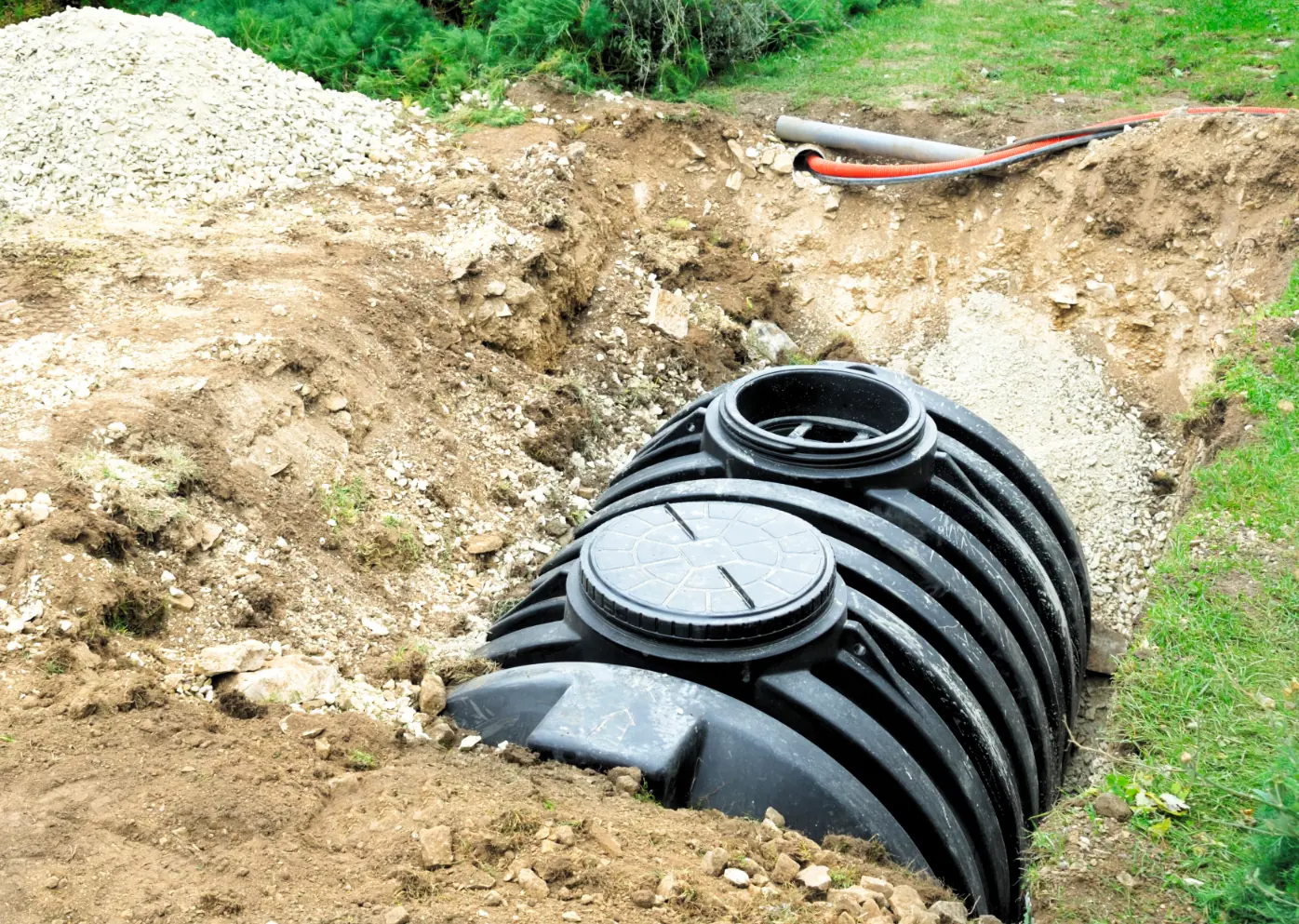
Septic Tank Cleaning in Sherwood Park: The Complete Homeowner's Guide
If you live outside Edmonton's municipal sewer lines in Sherwood Park, Strathcona County, or the surrounding acreages your septic system is one of the most important pieces of infrastructure on your property. Yet it's also one of the most overlooked. Most homeowners don't think about their septic tank until something goes wrong: a slow drain, a foul smell in the yard, or worse, sewage backing up into the house.
This guide covers everything you need to know about septic tank cleaning in Sherwood Park how often it should be done, what the process involves, warning signs you shouldn't ignore, and how it connects to other home systems like plumbing, backwater valves, and cisterns. By the end, you'll know exactly what to expect and how to keep your system running smoothly for years to come.
Why Septic Tank Cleaning Matters
A septic tank is a self-contained wastewater treatment system. Solid waste settles at the bottom, forming sludge, while lighter materials like fats and oils float to the top as scum. In between is a layer of relatively clear liquid (effluent) that flows out to the drain field for natural filtration.
Over time, sludge and scum build up. If they're never removed, they reduce the tank's working capacity, allow solids to escape into the drain field, and can permanently clog the soil that's meant to filter wastewater. Once a drain field is damaged, repairs are far more expensive than routine tank cleaning often tens of thousands of dollars versus a few hundred for a standard pump-out.
Regular cleaning isn't just about avoiding bad smells. It protects:
-
Your property value — a failed septic system is a major red flag for buyers and inspectors.
-
Your health — untreated backups can expose your household to harmful bacteria.
-
The environment — a properly maintained system prevents contamination of groundwater and nearby water bodies.
How Often Should You Clean Your Septic Tank?
There's no single answer, since it depends on tank size, household size, and water usage habits. As a general rule of thumb:
|
Household Size |
Tank Size |
Recommended Cleaning Frequency |
|
1–2 people |
750–1,000 gallons |
Every 3–5 years |
|
3–4 people |
1,000–1,250 gallons |
Every 2–3 years |
|
5+ people |
1,250+ gallons |
Every 1–2 years |
Homes that use a garbage disposal, run frequent laundry loads, or have a hot tub connected to the system tend to need more frequent servicing. If you're not sure when your tank was last cleaned, that's actually a good reason to schedule an inspection now better to check early than to wait for a backup.
Signs Your Septic Tank Needs Cleaning
Watch for these common warning signs between scheduled cleanings:
-
Slow-draining sinks, tubs, or toilets throughout the house
-
Gurgling sounds in the plumbing
-
Standing water or unusually lush, green patches over the drain field
-
Sewage odors near the tank or in the yard
-
Sewage backup in basement drains or toilets
If you notice more than one of these signs at once, it's worth calling a professional promptly rather than waiting for your next scheduled service.
What Happens During Professional Septic Tank Cleaning
A typical service visit follows a fairly consistent process:
1. Locating and Uncovering the Tank
The technician locates the tank (using property records, risers, or a probe if needed) and uncovers the access lid.
2. Inspection
Before pumping, a good technician checks the tank's condition looking for cracks, corrosion, or signs the baffles are damaged. This step matters because pumping alone won't fix a structural problem.
3. Pumping Out Sludge and Scum
A vacuum truck removes the liquid, sludge, and scum layers. This is the core of the "cleaning" process, and it's why the service is often called a "septic pump-out."
4. Rinsing and Final Inspection
Some companies rinse the tank walls and do a final visual check to confirm nothing was missed and that inlet/outlet pipes are clear.
5. Reporting Any Issues
If the drain field shows early signs of trouble, or the tank has structural damage, a reputable provider will flag this so you can plan repairs before they become emergencies.
Hydro Jetting: When Cleaning Alone Isn't Enough
Sometimes the issue isn't the tank itself but the pipes leading to it. Hydro jetting uses high-pressure water to clear stubborn blockages tree roots, grease buildup, or compacted debris from sewer lines connecting your home to the septic tank. Unlike a standard snake, which just punches a hole through a clog, hydro jetting scours the entire interior of the pipe, restoring it closer to its original flow capacity. Homeowners across the Edmonton area increasingly ask for hydro jetting as a companion service to septic cleaning, especially in older homes with mature trees near the sewer line.
Related Home Systems Worth Understanding
A septic system doesn't exist in isolation it's connected to your home's broader plumbing and water infrastructure. A few related topics are worth knowing about if you're maintaining an acreage property or older home in the region:
Poly B Replacement in Edmonton
Many homes built between the mid-1980s and the mid-1990s were plumbed with Poly B (polybutylene) piping. This material is prone to becoming brittle over time and is a known cause of sudden pipe failures. Poly B replacement in Edmonton has become a common project for homeowners looking to avoid unexpected leaks and it's also often required before certain home insurance policies will renew coverage. If your home still has the original plumbing from that era, it's worth having it assessed alongside any septic servicing.
Backwater Valves
An Edmonton backwater valve is a one-way valve installed in your main sewer line that prevents wastewater from flowing backward into your home during heavy rain or municipal sewer surges. While more common in municipally-serviced homes, similar backflow protection can matter for septic-connected properties too, particularly where flooding risk is a concern.
Cistern Installation
Some rural and acreage properties near Sherwood Park don't have municipal water and instead rely on a cistern for water storage. An experienced Edmonton cistern installer can help size and install a system that pairs well with your septic setup, ensuring water usage and wastewater capacity are balanced.
Emergency Boiler Repair
For homes using boiler-based heating, unexpected failures in winter are more than an inconvenience they're a safety issue. Emergency boiler repair in Edmonton is a related service many full-service plumbing and home systems companies offer, and it's worth knowing your provider can handle both your water/wastewater systems and your heating system if something goes wrong at the same time.
Pros and Cons of Regular Septic Maintenance
Pros:
-
Prevents costly drain field failure
-
Extends the lifespan of your entire septic system
-
Reduces risk of sewage backup and property damage
-
Helps maintain resale value
-
Identifies small problems before they become expensive emergencies
Cons:
-
Requires ongoing cost and scheduling (though far less than emergency repairs)
-
Access to the tank can be inconvenient in landscaped yards
-
Some older tanks may reveal additional needed repairs once inspected
On balance, the "cons" are minor compared to the cost and disruption of an unmaintained system failing outright.
Frequently Asked Questions
How much does septic tank cleaning cost in Sherwood Park? Costs vary based on tank size, accessibility, and how much sludge has built up, but a standard residential pump-out is generally a modest, predictable expense compared to drain field replacement, which can be dramatically more costly.
Can I clean my septic tank myself? No. Septic tanks contain hazardous gases and require specialized vacuum equipment to empty safely and thoroughly. This is not a DIY project it should always be handled by a licensed professional.
What should I avoid putting down my drains? Avoid flushing wipes (even "flushable" ones), grease, harsh chemicals, and excessive amounts of bleach, as these can disrupt the bacterial balance your septic system relies on to break down waste.
How do I know where my septic tank is located? Check your property's building permit records or septic system design plans, often available through Strathcona County. If records aren't available, a professional can locate it using a probe or camera inspection.
Does septic cleaning help with bad odors in my yard? Often, yes especially if the odor is caused by a tank nearing capacity. However, persistent odors after cleaning may point to a drain field issue that needs separate evaluation.
Final Thoughts
Septic tank cleaning in Sherwood Park isn't glamorous home maintenance, but it's some of the most important upkeep an acreage or rural homeowner can invest in. A consistent cleaning schedule paired with attention to related systems like plumbing, backwater valves, and cisterns protects your property, your health, and your budget from the kind of emergency that's far more disruptive than a routine service call.
If it's been a few years since your last pump-out, or you're noticing any of the warning signs above, don't wait for a full backup to take action. Schedule an inspection, ask questions about your tank's condition, and keep a simple maintenance log so you always know where things stand.
Have questions about your septic system, or a story about a maintenance issue that caught you off guard? Share it in the comments below, or reach out to a local licensed septic professional to get a straightforward assessment of your system's condition. And if this guide helped clarify things, consider sharing it with a neighbor who might be facing the same questions about their own property.

 English
 French
 Spanish
 Portuguese
 Deutsch
 Turkish
 Dutch
Dutch
 Italiano
 Russian
 Romaian
 Portuguese (Brazil)
 Greek
Greek