When planning any cosmetic procedure, one of the first questions patients ask is how much time they need to set aside for treatment. Understanding the duration of surgery helps patients prepare mentally, arrange time away from work or school, and plan for recovery. Although every case is unique, Ear Reshaping Surgery is generally considered a relatively short procedure compared to many other cosmetic surgeries.
In most cases, ear reshaping surgery takes one to three hours, depending on the complexity of the correction and whether one or both ears are being treated. Despite the relatively short surgical time, careful planning, preparation, and post-operative care all contribute to achieving safe and natural-looking results.
Understanding Ear Reshaping Surgery
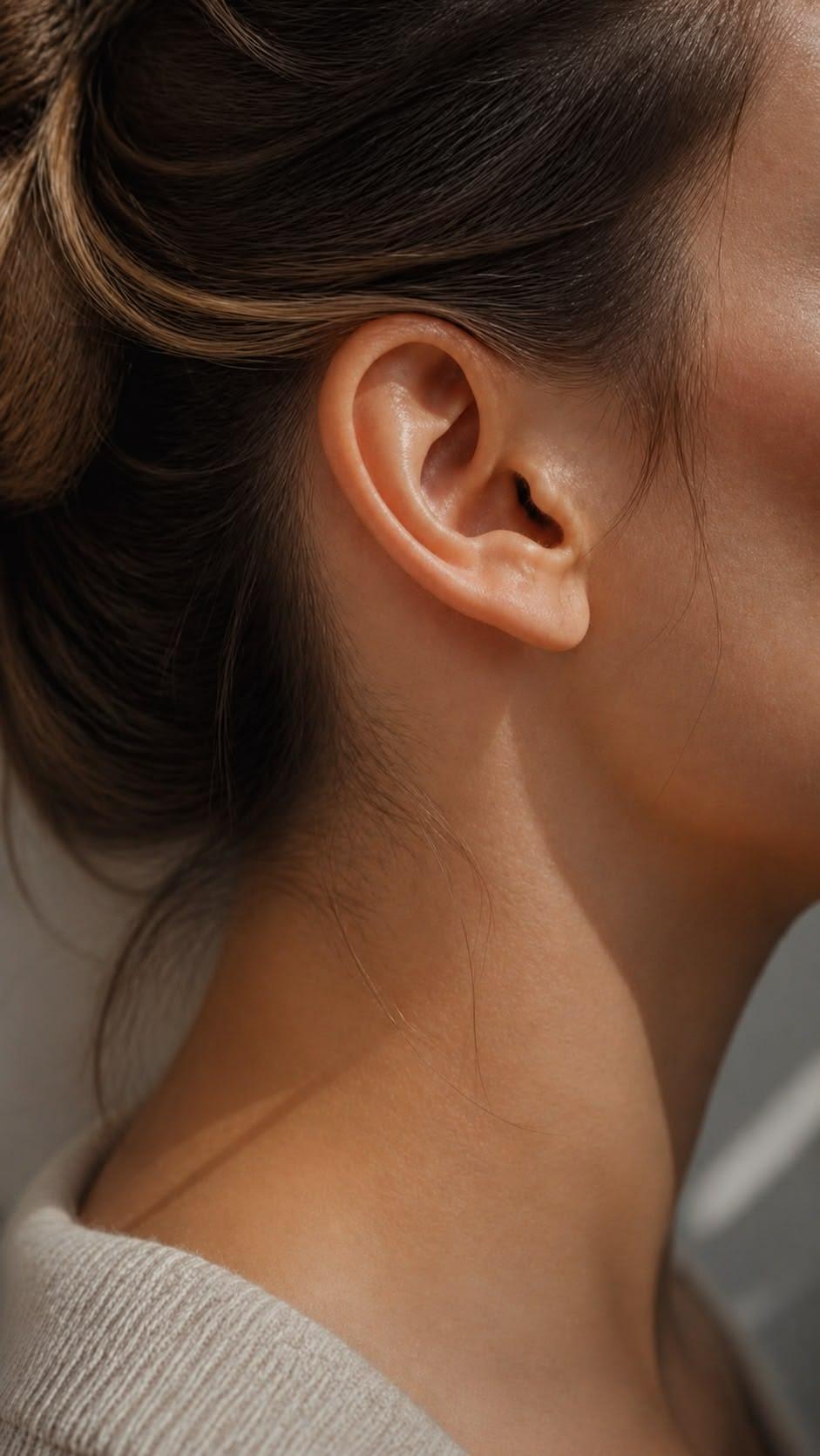
Ear reshaping surgery, also known as otoplasty, is a cosmetic procedure that improves the shape, size, or position of the outer ears. It is commonly performed to correct ears that protrude, appear uneven, are unusually large, or have been affected by birth defects or injuries.
The surgery focuses on reshaping the ear cartilage without affecting hearing. Each treatment plan is tailored to the patient's facial features and cosmetic goals to create balanced, long-lasting results.
Average Duration of the Procedure
For most patients, ear reshaping surgery is completed within one to three hours.
The exact duration depends on several factors, including:
- Whether one or both ears are being treated
- The degree of correction required
- The surgical technique being used
- The patient's ear anatomy
- Whether reconstructive work is needed
Simple procedures often require less time, while more complex corrections naturally take longer.
What Happens Before the Surgery?
Although the operation itself may only take a few hours, patients should expect to spend additional time at the clinic.
Before surgery, the medical team will:
- Review the treatment plan
- Perform a final examination
- Take pre-operative photographs if required
- Prepare the surgical area
- Administer anaesthesia
- Answer any remaining questions
These steps help ensure the procedure begins safely and according to the personalised treatment plan.
Anaesthesia Preparation
The type of anaesthesia also affects the overall appointment time.
Depending on the patient's age and surgical requirements, the procedure may be performed under:
- Local anaesthesia with sedation
- General anaesthesia
Preparing and monitoring the patient before and after anaesthesia adds additional time beyond the surgery itself.
The Surgical Process
Although every procedure is customised, ear reshaping surgery generally follows a similar sequence.
Creating the Incision
The surgeon usually makes a small incision behind the ear, where it remains well hidden after healing.
This approach provides access to the cartilage while keeping visible scarring to a minimum.
Reshaping the Cartilage
The surgeon carefully modifies the cartilage using specialised techniques.
This may involve:
- Folding the cartilage
- Removing small portions
- Weakening stiff cartilage
- Creating smoother contours
- Repositioning the ear closer to the head
The goal is to achieve a natural appearance that complements the patient's facial features.
Securing the New Shape
Once the desired position has been achieved, permanent internal stitches are often placed to help maintain the new contour.
The incision is then closed using fine sutures before protective dressings are applied.
Does Treating Both Ears Take Longer?
Yes, operating on both ears usually increases the surgical time slightly.
However, because many adjustments are performed using similar techniques, treating both ears is often completed during the same surgical session.
Correcting both ears together also helps improve overall facial symmetry.
Can the Procedure Be Done in One Day?
Yes. Ear reshaping surgery is typically performed as a day-case procedure, meaning patients usually return home on the same day.
After surgery, the medical team monitors the patient until they have recovered from the effects of anaesthesia.
Once the surgeon confirms that everything is stable, the patient receives discharge instructions and can leave with a responsible adult if necessary.
How Long Does Recovery Take?
Although the operation itself is relatively short, recovery continues over several weeks.
First Few Days
Patients commonly experience:
- Mild swelling
- Bruising
- Tenderness
- Tightness around the ears
These symptoms gradually improve with rest and prescribed medications.
First Week
Most individuals return to work, school, or other light daily activities within five to seven days.
A protective head dressing may be replaced with a supportive headband during this stage.
Following Weeks
Swelling continues to decrease, and the ears settle into their new position.
Most patients can gradually resume exercise after receiving approval from their surgeon.
Final Results
The final appearance becomes more noticeable as healing progresses, with long-lasting results typically visible after swelling has fully resolved.
What Factors Can Affect Surgical Time?
Several individual factors influence how long the procedure lasts.
These include:
Complexity of the Case
Minor corrections often require less time than extensive reshaping or reconstructive procedures.
Previous Ear Surgery
Patients undergoing revision surgery may require additional time because of scar tissue or altered anatomy.
Cartilage Structure
Thicker or firmer cartilage sometimes requires more detailed reshaping techniques.
Combined Procedures
If ear reshaping is performed alongside another cosmetic procedure, the total surgical time will naturally be longer.
Benefits of a Short Procedure
Many patients appreciate that ear reshaping surgery is relatively quick while still providing permanent improvements.
Some advantages include:
- Short operating time
- Same-day discharge
- Minimal hospital stay
- Predictable recovery
- Long-lasting cosmetic results
- Improved facial harmony
- Increased confidence
Because the procedure is less invasive than many other facial surgeries, patients often find recovery easier than expected.
Preparing for Surgery
Good preparation helps the procedure run smoothly.
Patients are commonly advised to:
- Stop smoking if recommended
- Avoid certain medications before surgery
- Arrange transportation home
- Wear loose-fitting clothing
- Follow fasting instructions if general anaesthesia is planned
Following these recommendations supports both safety and successful healing.
Choosing an Experienced Surgeon
The quality of the results depends far more on the surgeon's expertise than on how quickly the procedure is completed.
When selecting a clinic, patients should consider:
- Qualifications and experience
- Expertise in cosmetic ear surgery
- Modern surgical techniques
- Personalised treatment planning
- Positive patient reviews
- Comprehensive aftercare
An experienced surgeon focuses on achieving precise, natural-looking results rather than simply shortening the operation.
Final Thoughts
Ear Reshaping Surgery is a relatively short cosmetic procedure, usually taking between one and three hours depending on the complexity of the treatment. Although the surgery itself is completed in a single day, patients should also allow time for preparation, recovery from anaesthesia, and follow-up care.
With careful surgical planning, modern techniques, and proper aftercare, ear reshaping surgery offers permanent improvements in ear shape and position while maintaining a natural appearance. Consulting an experienced cosmetic surgeon is the best way to understand how long your specific procedure may take and what to expect throughout every stage of treatment.


 Arabic
 French
 Spanish
 Portuguese
 Deutsch
 Turkish
 Dutch
Dutch
 Italiano
 Russian
 Romaian
 Portuguese (Brazil)
 Greek
Greek