
ShiJingTools by SHIJING Explains Iron Base Plate Manual Tile Cutter Scoring and Snap Methods
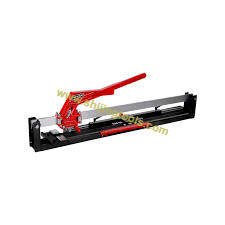
The manual tile cutter remains a fundamental tool in every tiler's kit, prized for its simplicity and effectiveness in producing straight cuts without the dust and complexity of electric saws. The Iron Base Plate Manual Tile Cutter provides a stable platform that reduces vibration during the scoring process, contributing to cleaner cut lines and reduced chipping. However, the quality of the final cut depends less on the tool itself and more on the operator's understanding of the two critical actions: scoring the glaze and breaking the tile along the scored line. ShiJingTools, a Chinese tile tool manufacturer with over a decade of experience, designs its manual cutters with features that support consistent technique, yet even the finest equipment cannot compensate for improper handling. Does the difference between a perfect cut and a ruined tile ultimately come down to the pressure applied during scoring and the angle of the breaking force?
The scoring stroke represents the first and arguably most important step in achieving a clean cut. The cutting wheel, typically made of tungsten carbide, creates a microscopic fracture line in the tile's glaze and surface layer. This line acts as a stress concentrator, guiding the break during the snapping phase. The pressure applied during scoring must be sufficient to penetrate the hard glaze without crushing the softer ceramic body beneath. Excessive pressure generates visible cracks beyond the intended cut line, while insufficient pressure fails to create a deep enough score, causing the tile to break unpredictably. The correct pressure feels firm and consistent, producing a fine continuous powder trail rather than a heavy dust cloud or a superficial scratch.
The speed of the scoring stroke affects both the quality of the score and the wear on the cutting wheel. A steady, moderate pace allows the wheel to engage uniformly with the tile surface, creating a continuous fracture line. Rushed scoring often produces intermittent contact, resulting in a score line with gaps that cause the tile to break unevenly. Conversely, excessively slow scoring generates friction heat that can damage the wheel or cause localized stress fractures in the tile. The optimal scoring speed feels controlled and deliberate, neither hurried nor hesitant. Experienced operators develop a rhythm that produces consistent results across multiple tiles.
The positioning of the tile on the cutter base plate determines the effectiveness of both the scoring and breaking actions. The tile must sit flush against the back fence and the side guide, ensuring that the scoring line runs parallel to the tile edge. Any angular misalignment produces a cut that deviates from the desired line, requiring compensation during subsequent cutting or causing waste. The tile should be centred under the scoring carriage, with the cutting wheel positioned to engage the tile surface precisely where the cut should occur. The operator should verify alignment visually before committing to the scoring stroke, as adjustments after scoring are impossible.
The breaking technique involves applying downward pressure on the tile's edges while the score line remains positioned over the breaking bar or anvil. The iron base plate provides stability during this operation, preventing the tile from shifting as force applies. The breaking action should occur in a single, controlled movement rather than a series of tentative presses. The operator places one hand on each side of the score line, applying even downward pressure that causes the tile to separate along the fracture line. The force required depends on tile thickness and composition, with porcelain requiring firmer pressure than ceramic.
The position of the breaking bar relative to the score line affects the quality of the break. The bar should align directly beneath the score, providing a fulcrum that concentrates the breaking force along the fracture line. Misalignment causes the tile to bend at a different point, producing a rough or angled break that requires grinding or retrimming. Some manual cutters feature adjustable breaking bars that accommodate different tile thicknesses, allowing the operator to optimise the fulcrum position for each project. The correct adjustment feels intuitive, with the breaking action requiring minimal effort when the bar is properly positioned.
The condition of the cutting wheel significantly influences both the required scoring pressure and the resulting cut quality. A new or sharp wheel scores efficiently with moderate pressure, while a worn wheel requires increased force that risks cracking or producing an inconsistent score. Regular replacement of the cutting wheel maintains optimal performance and reduces operator fatigue. Many professional tilers replace the wheel after a set number of cuts or when they notice declining cut quality. The iron base plate's stability ensures that the scoring carriage moves smoothly along the rail, allowing the wheel to maintain consistent contact with the tile surface throughout the stroke.
The technique for scoring different tile types requires adaptation based on the material properties. Glazed ceramic tiles respond well to standard scoring pressure, with the glaze fracturing cleanly to guide the break. Porcelain tiles, being denser and harder, demand slightly increased scoring pressure and a more deliberate breaking action to separate the material. Natural stone tiles often require reduced scoring pressure to prevent surface damage, with the breaking force applied more gradually to avoid spalling. The experienced operator adjusts their technique based on the tile's characteristics, recognising that a single approach does not suit all materials.
The support provided by the iron base plate contributes to the operator's ability to maintain consistent scoring pressure across the entire cut length. The plate's rigidity prevents flexing that would cause the scoring wheel to lose contact or press unevenly. This stability reduces the physical demands of the scoring operation, allowing the operator to focus on the technique rather than compensating for tool movement. The weight of the iron base plate also dampens vibration that could degrade the scoring line quality, contributing to cleaner cuts with fewer defects.
For tilers seeking guidance on effective cutting techniques, https://www.shijingtools.com/ offers a range of manual cutters designed with features that support consistent scoring and breaking. Does achieving clean, straight cuts on an Iron Base Plate Manual Tile Cutter depend primarily on the tool's quality, or does the operator's understanding of scoring pressure and breaking technique ultimately determine the result?

 Arabic
 French
 Spanish
 Portuguese
 Deutsch
 Turkish
 Dutch
Dutch
 Italiano
 Russian
 Romaian
 Portuguese (Brazil)
 Greek
Greek