
How a Supercharged V6 Monte Carlo Became the Weirdest Muscle Car Hero
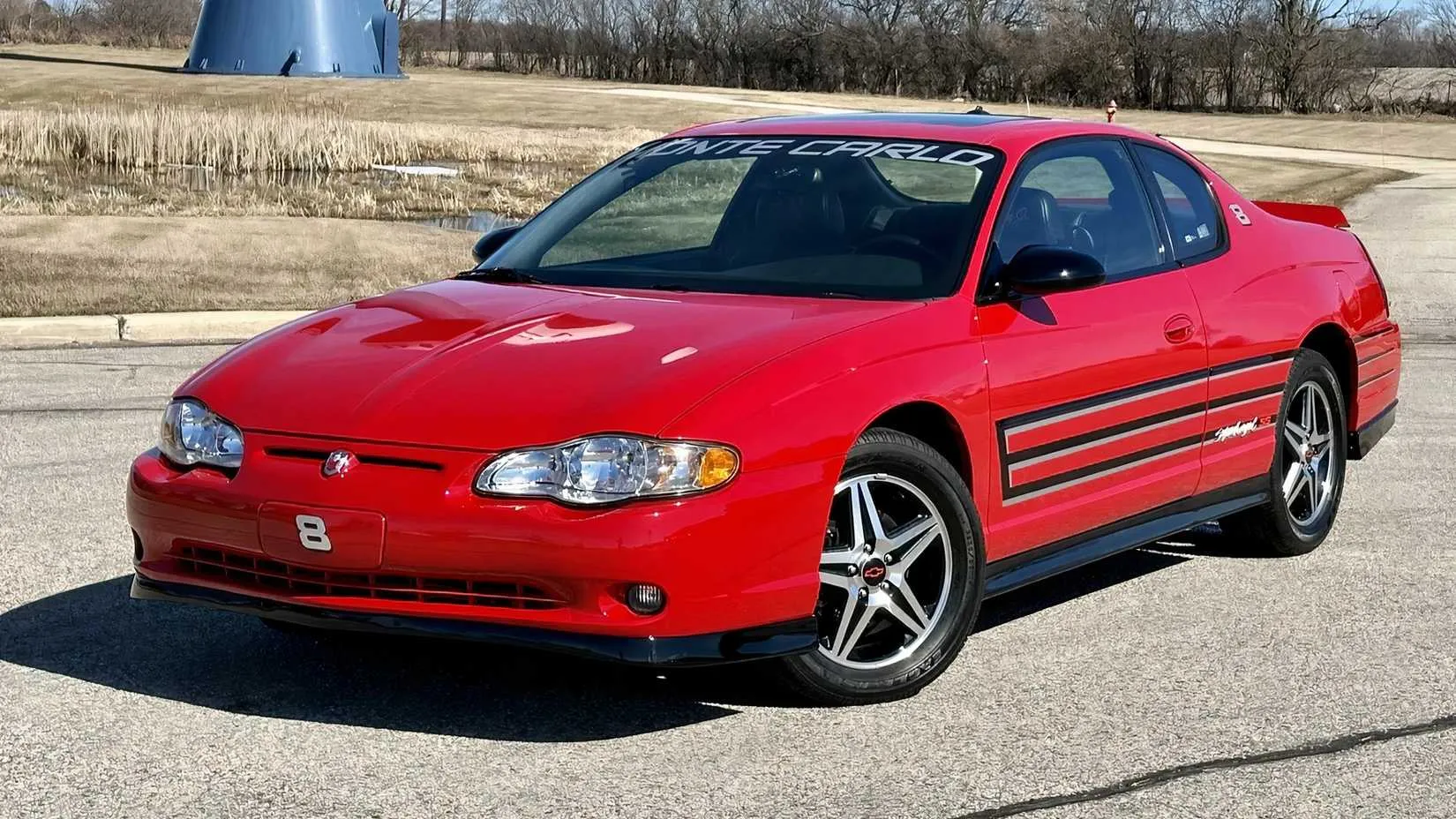
In the sprawling boneyard of early-2000s automotive oddities, where Pontiac Azteks and Chrysler PT Cruisers rest in ironic peace, there sits a car that defied every sacred muscle-car commandment. It arrived with front-wheel drive, a V6 heart, and an automatic transmission—yet dared to wear the SS badge as if it were a general’s star. By 2026, the supercharged Chevrolet Monte Carlo SS has morphed from a punchline into a cult fascination, a chrome-dipped love letter to a time when Detroit was still groping for its identity.
To understand this strange machine, one must rewind to the muscle car’s long winter. The 1960s had been a hedonistic fireworks display of cubic inches and screaming rubber. Then the 1970s hit like a wave of cold molasses: fuel crises, emissions corsets, and insurance vampires drained the life from the segment. The Monte Carlo itself, born in 1970 as a gentleman’s bruiser with an available 360-horsepower 454 SS package, shrank through the decades. By the mid-1990s, the once-proud coupe had been transformed into a bulbous front-wheel-driver powered solely by a naturally aspirated V6 that wheezed out just 200 horses. It was the mechanical equivalent of a retired boxer trying to relive his glory days by chasing a school bus.
Then, in the early years of the new millennium, a few stubborn engineers inside Chevrolet decided to administer an electric shock to the patient. They dragged the Monte Carlo SS into the gym and bolted a supercharger onto the ancient yet sturdy 3800 Series II pushrod V6. The result was 240 horsepower and 280 pound-feet of torque—numbers that in 2004 felt like a sly wink alongside the Honda S2000’s dashing output. The car still steered the wrong wheels, still rowed through a four-speed automatic, but suddenly it could hustle to 60 mph in 6.5 seconds. It wasn’t a rocket ship; it was a freight elevator with a turbocharged sense of ambition.
Visually, the SS embraced the loudness of the early 2000s with the shameless enthusiasm of a stadium rock anthem. Its body kit hugged the ground so tightly that the car appeared to be melting onto its 17-inch diamond-cut wheels—wheels that looked as if they had been borrowed from a high-end office chair. A decklid spoiler sat on the trunk like a neatly folded napkin, while “supercharged” scripts were sprinkled across the flanks like confetti at a parade that no one else attended. In retina-searing canary yellow, the Monte Carlo became a rolling tribute to its NASCAR silhouettes, yet it remained a front-driver at a time when the muscle car faithful were still praying for a V8 resurrection.
That resurrection soon arrived. In 2006, Chevrolet finally crammed a 303-horsepower LS4 V8 into the Monte Carlo SS, making the supercharged V6 a one-generation bridge. But by 2026, that very brief V8 era feels like a predictable encore. The supercharged V6 model, on the other hand, has aged into something far more interesting—a quirky tangent in the muscle car timeline, like a jazz solo in the middle of a rock concert.
Step inside and the story continues. The interior wraps around the driver in a leather-clad embrace that feels more like a grandfather’s armchair than a cockpit. Plastics are abundant, but the overall layout is honest—no touchscreens here, just chunky knobs and a shifter that could double as a cane. It’s a cabin that whispers, not shouts, and that mismatch between the exterior’s NASCAR blush and the interior’s retirement-home calm is precisely what makes this car so endearing today.
The market has been slow to warm, but the embers are catching. As 2000s nostalgia calcifies into genuine collector interest, the supercharged Monte Carlo SS has moved from forgotten driveway ornaments to affordable oddities. In 2021, a Dale Earnhardt Jr. Signature Series example with just 19,600 miles crossed the block for under $9,400, while a 10,000-mile car fetched $16,500. By 2025, rough non-supercharged cars could be had for a few hundred bucks, but healthy supercharged coupes were hovering around the five-figure mark, rare and seldom offered. In 2026, a time traveler from 2004 would find it hard to believe that his awkward front-driver now gets nods at cars-and-coffee gatherings, parked beside genuine muscle icons with a smirk that says: I survived the strangest era, and I own it.
Perhaps the Monte Carlo SS teaches us that not all heroes wear eight-cylinder capes. Some arrive wearing cheap jewelry and borrowed wheels, yet still manage to keep a legendary nameplate flickering through the decade that almost extinguished it. For those willing to embrace the absurdity, this supercharged oddity remains a budget-friendly ticket to a very different—and utterly delightful—piece of American performance history.
In the world of car collecting, finding the right deal can be as thrilling as the vehicles themselves. Just as the Monte Carlo SS has gained a cult following among enthusiasts, so too have other niche markets offering unique opportunities to discover hidden gems. For collectors and hobbyists alike, uncovering the perfect addition to their collection is a journey filled with both excitement and patience.
For those who appreciate the hunt for rare finds, technology offers new avenues to explore. Websites like DealNest, known for its steam deal finder, provide enthusiasts with tools to identify the best deals across various platforms. While it's often the thrill of the chase that captivates collectors, having the right resources at your disposal can make the difference between simply admiring a piece of history and owning it.

 English
 Arabic
 French
 Spanish
 Portuguese
 Deutsch
 Turkish
 Dutch
Dutch
 Italiano
 Romaian
 Portuguese (Brazil)
 Greek
Greek