
Yoga TTC: The Complete Guide to Becoming a Certified Yoga Teacher
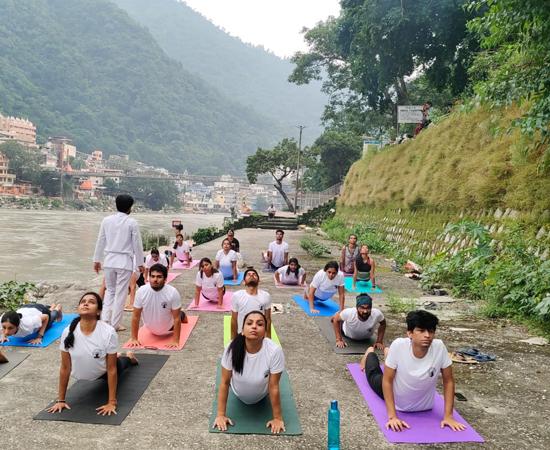
Yoga has evolved from an ancient spiritual discipline into a globally recognized practice that promotes physical health, mental clarity, and emotional balance. As millions of people embrace yoga as part of their daily lives, the demand for skilled and knowledgeable yoga instructors continues to rise. If you are passionate about yoga and dream of turning your practice into a meaningful career, enrolling in a Yoga TTC (Teacher Training Course) is the ideal first step.
A Yoga TTC is much more than a certification program. It is a life-changing journey that deepens your understanding of yoga, strengthens your personal practice, and prepares you to guide others safely and confidently. Whether your goal is to teach professionally or simply expand your knowledge, this complete guide will help you understand everything you need to know about becoming a certified yoga teacher.
What Is Yoga TTC?
Yoga TTC stands for Yoga Teacher Training Course, a comprehensive program designed to train aspiring yoga instructors. These courses combine practical yoga sessions with theoretical knowledge, helping students develop both teaching skills and a deeper understanding of yoga philosophy.
A typical Yoga TTC covers various aspects of yoga, including:
Yoga postures (Asanas)
Breathing techniques (Pranayama)
Meditation practices
Yoga philosophy
Human anatomy and physiology
Teaching methodology
Alignment and adjustments
Ethics of teaching yoga
Why Choose a Yoga TTC?
Many people begin yoga simply to improve flexibility or reduce stress. Over time, they often discover that yoga offers much more than physical benefits. A Yoga TTC allows practitioners to experience the true depth of yoga while gaining the confidence to share its benefits with others.
Some key reasons to pursue a Yoga TTC include:
Deepen Your Personal Practice
Teacher training provides detailed guidance on proper alignment, breathing, meditation, and mindfulness. Students often notice significant improvements in their strength, flexibility, concentration, and overall well-being.
Build a Rewarding Career
Yoga instructors are in demand worldwide. After certification, graduates can teach in yoga studios, wellness centers, fitness clubs, schools, corporate offices, retreats, or even establish their own yoga business.
Develop Confidence
Teaching yoga requires effective communication, leadership, and interpersonal skills. A Yoga TTC helps students overcome nervousness and become confident instructors through regular teaching practice.
Learn the Science Behind Yoga
Instead of simply following poses, trainees learn why each posture works, which muscles are involved, and how to adapt practices for different individuals.
Types of Yoga Teacher Training Courses
There are several levels of Yoga TTC available depending on your experience and career goals.
200-Hour Yoga TTC
The 200-hour course is the most popular entry-level certification. It is ideal for beginners and intermediate practitioners who wish to become certified yoga teachers.
The curriculum generally includes:
Foundational yoga postures
Basic anatomy
Pranayama
Meditation
Teaching methodology
Yoga philosophy
Practice teaching
300-Hour Yoga TTC
This advanced course is designed for teachers who have already completed a 200-hour certification. It explores advanced teaching techniques, therapeutic applications, sequencing, and deeper yogic philosophy.
500-Hour Yoga TTC
Some institutions combine the 200-hour and 300-hour programs into a comprehensive 500-hour certification, offering extensive knowledge and professional development.
What You Will Learn During Yoga TTC
Every reputable Yoga TTC includes both practical and theoretical education.
Yoga Asanas
Students learn how to perform postures correctly while understanding:
Proper alignment
Common mistakes
Benefits
Contraindications
Safe modifications
Pranayama
Breathing techniques form the foundation of yogic practice. Students learn methods that improve lung capacity, reduce stress, and enhance concentration.
Meditation
Meditation sessions help trainees cultivate inner peace, mindfulness, and emotional resilience while learning techniques they can later teach to students.
Anatomy and Physiology
A strong understanding of the human body enables teachers to design safe classes for students with different abilities and physical conditions.
Topics often include:
Skeletal system
Muscular system
Nervous system
Respiratory system
Joint mechanics
Injury prevention
Yoga Philosophy
Students study classical yogic texts and concepts that explain the true purpose of yoga beyond physical exercise.
Common topics include:
Eight Limbs of Yoga
Karma Yoga
Bhakti Yoga
Raja Yoga
Ethical principles
Yogic lifestyle
Teaching Methodology
Perhaps the most valuable component of Yoga TTC is learning how to teach effectively.
Students practice:
Giving verbal cues
Demonstrating postures
Creating class sequences
Managing groups
Correcting alignment
Building confidence
Benefits of Becoming a Certified Yoga Teacher
Completing a Yoga TTC offers numerous personal and professional advantages.
Career Opportunities
Certified yoga teachers can work in:
Yoga studios
Wellness retreats
Fitness centers
Educational institutions
Corporate wellness programs
Cruise ships
Resorts
Online yoga platforms
Many instructors also establish successful independent businesses by offering private sessions and virtual classes.
Personal Growth
Yoga teacher training often transforms students emotionally and mentally. Many graduates report:
Increased self-awareness
Better emotional balance
Greater discipline
Improved confidence
Healthier lifestyle habits
Global Recognition
If your certification comes from a recognized training institution, it may help you teach internationally, opening doors to exciting career opportunities across different countries.
How to Choose the Right Yoga TTC
Selecting the right training program is one of the most important decisions in your yoga journey.
Consider the following factors:
Experienced Teachers
Choose a school with qualified instructors who have years of teaching experience and a strong understanding of traditional yoga.
Comprehensive Curriculum
A quality program should balance practical training with philosophy, anatomy, meditation, and teaching methodology.
Student Reviews
Reading testimonials from previous students can provide valuable insights into teaching quality, accommodation, and overall learning experience.
Class Size
Smaller batches often provide more personalized attention and better opportunities for practice teaching.
Certification
Ensure the school offers a recognized certification that aligns with your professional goals.
Is Yoga TTC Suitable for Beginners?
Absolutely.
Many people assume they need years of yoga experience before joining a Yoga TTC. In reality, most beginner-level teacher training courses welcome students with a basic understanding of yoga and a willingness to learn.
The primary requirements are:
Passion for yoga
Commitment to learning
Physical readiness for daily practice
Open-mindedness
Dedication
Perfection is not expected. The purpose of training is to help students grow into confident practitioners and teachers.

 English
 Arabic
 French
 Spanish
 Portuguese
 Deutsch
 Turkish
 Dutch
Dutch
 Italiano
 Russian
 Romaian
 Portuguese (Brazil)