Healthy skin is not only about appearance but also about proper structure, regeneration, and resilience against environmental damage. Many people struggle with issues such as acne scars, pigmentation, wrinkles, and uneven texture that affect overall skin health. One of the most advanced dermatological solutions for these concerns is Fractional CO2 Laser Treatment, a procedure designed to improve skin quality by stimulating natural healing and collagen production from within. It works by targeting damaged skin layers with precision laser energy, encouraging the body to rebuild healthier, smoother, and more youthful skin over time.
Understanding Skin Health Improvement:
Skin health improvement through this procedure is based on controlled resurfacing, where tiny portions of damaged skin are treated while surrounding tissue remains intact. This allows faster healing and reduces downtime while still delivering deep structural improvements. The process helps restore balance to the skin by repairing damaged cells and enhancing regeneration. Key points include:
- Targets damaged skin at a microscopic level
- Preserves healthy tissue for quicker recovery
- Encourages natural skin regeneration
- Strengthens overall skin structure and resilience
How the Laser Enhances Skin Function:
The procedure works by creating controlled micro-injuries in the skin using laser energy, which activates the body’s natural healing response. This process stimulates the production of collagen and elastin, two essential proteins responsible for maintaining skin strength and elasticity. Over time, the skin becomes healthier, firmer, and more even in texture. The process typically involves:
- Cleansing and preparing the skin
- Applying numbing cream for comfort
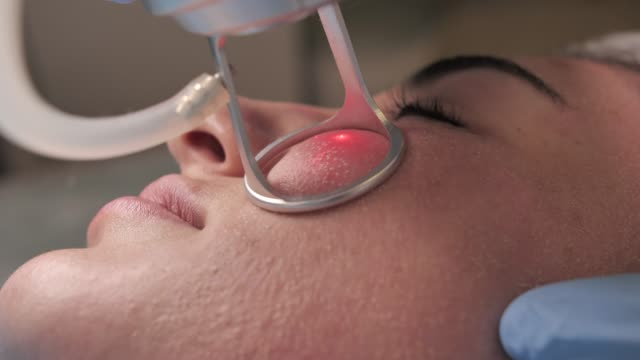
- Delivering fractional laser pulses
- Allowing natural healing and tissue regeneration
This controlled healing process gradually improves both the surface and deeper layers of the skin.
Benefits for Overall Skin Quality:
One of the key advantages of this treatment is its ability to improve multiple aspects of skin health simultaneously. It addresses both cosmetic concerns and structural skin damage, making it a comprehensive rejuvenation method. Benefits include:
- Improved skin texture and smoothness
- Reduction in acne scars and blemishes
- Enhanced skin tone and brightness
- Decreased fine lines and wrinkles
- Increased collagen production for long-term health
These improvements develop gradually and continue even after the initial healing phase.
Impact on Acne Scars and Pigmentation:
Acne scars and pigmentation issues are often difficult to treat with topical solutions alone because they originate in deeper skin layers. This procedure targets those deeper layers to promote healing and regeneration. It helps break down scar tissue and encourages new, healthy skin formation. Key improvements include:
- Reduction in deep and shallow acne scars
- Lightening of dark spots and pigmentation
- Smoother skin surface with fewer irregularities
- Improved skin clarity and even tone
Because it works at the structural level, results are often long-lasting and progressive.
Role in Anti-Aging and Skin Repair:
A major benefit of this procedure is its ability to reverse visible signs of aging by boosting collagen and improving skin elasticity. As natural collagen production increases, the skin becomes firmer and more youthful in appearance. Benefits include:
- Softening of fine lines and wrinkles
- Improved skin tightness and firmness
- Reduction in age-related pigmentation
- Restoration of youthful skin elasticity
These anti-aging effects make it a popular choice among individuals seeking non-surgical rejuvenation.
Procedure Experience and Skin Response:
The treatment is performed in a clinical environment by trained professionals to ensure safety and precision. While the laser may sound intense, the procedure is generally well-tolerated due to numbing creams and modern technology. The experience includes:
- Skin cleansing and preparation
- Application of topical anesthetic
- Controlled laser application across targeted areas
- Cooling and soothing post-treatment care
Patients typically experience mild warmth or tingling during the procedure, followed by temporary redness as the skin begins healing.
Recovery and Skin Healing Process:
Recovery plays a crucial role in improving overall skin health after treatment. Most patients experience initial healing within 5 to 10 days, depending on treatment intensity. Proper aftercare helps maximize results and prevent complications. Important recovery steps include:
- Keeping skin moisturized with healing ointments
- Avoiding direct sun exposure and using sunscreen
- Using gentle, non-irritating skincare products
- Avoiding picking or scratching peeling skin
- Staying hydrated to support skin regeneration
During recovery, the skin may appear red or slightly swollen before gradually returning to a healthier state.
Possible Side Effects and Safety:
Although generally safe when performed by qualified professionals, there are some temporary side effects associated with the healing process. These are typically mild and short-lived. Possible effects include:
- Temporary redness and swelling
- Mild itching or sensitivity
- Peeling or flaking skin
- Rare risk of infection if aftercare is neglected
- Temporary pigmentation changes in sensitive individuals
Choosing an experienced dermatologist significantly reduces these risks and improves overall outcomes.
Who Benefits the Most:
This procedure is suitable for individuals who want to improve both the appearance and health of their skin. It is commonly recommended for people dealing with various skin concerns. Suitable candidates include:
- Individuals with acne scars or surgical scars
- People with fine lines and wrinkles
- Those with uneven skin tone or pigmentation
- Patients seeking overall skin rejuvenation
However, it may not be suitable for pregnant women, individuals with active skin infections, or those with certain medical conditions affecting healing.
Cost and Treatment Planning:
The cost of treatment depends on several factors, including clinic reputation, technology used, and the number of sessions required. Since multiple sessions may be needed for optimal results, total cost can vary significantly. Key cost factors include:
- Experience of the dermatologist
- Type of laser equipment used
- Size of the treatment area
- Number of sessions required
- Geographic location of the clinic
Understanding these factors helps patients plan their treatment effectively.
Choosing the Right Specialist:
Selecting a qualified dermatologist is essential for ensuring both safety and effectiveness. Proper expertise ensures the treatment is customized according to skin type and condition. Important considerations include:
- Certified and experienced skin specialists
- Modern and well-maintained laser equipment
- Clean and hygienic clinical environment
- Clear consultation and realistic expectations
- Positive patient reviews and successful outcomes
A proper consultation ensures better results and reduces risks.
Final Thoughts:
When performed under expert care and supported with proper aftercare, Fractional CO2 Laser Treatment significantly improves skin health by enhancing texture, boosting collagen production, and repairing damaged tissue. It remains one of the most effective non-surgical dermatological solutions for long-term skin rejuvenation, delivering gradual, natural-looking, and lasting improvements as the skin continues to heal and regenerate over time.


 English
 Arabic
 French
 Spanish
 Portuguese
 Deutsch
 Turkish
 Dutch
Dutch
 Italiano
 Russian
 Portuguese (Brazil)
 Greek
Greek