
How To Prevent Fabric Fraying: Common Mistakes in Applique & Tackle Twill Digitizing
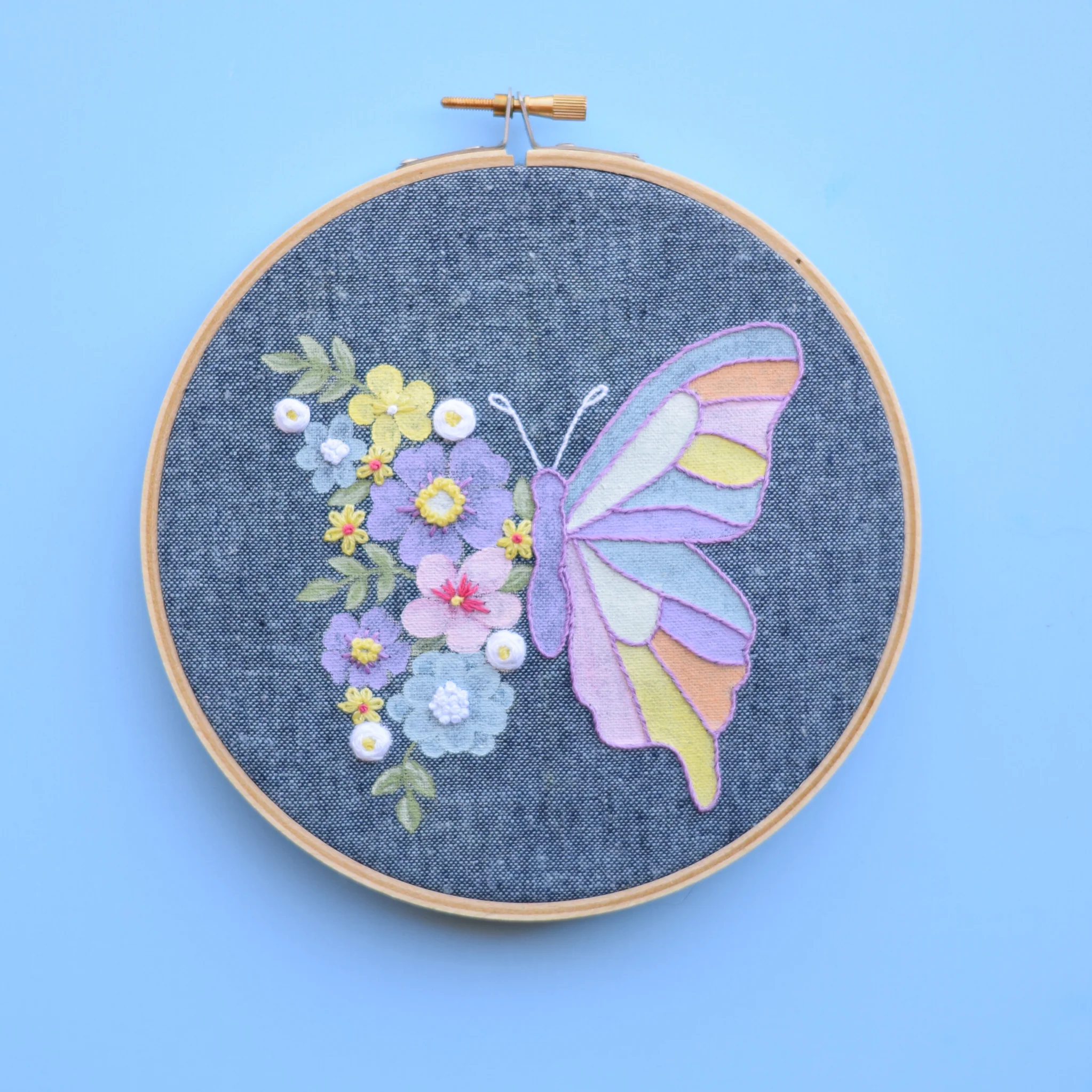
Fabric fraying is a total nightmare. It is one of the biggest challenges in applique and tackle twill embroidery. A design might look flawless right off the machine. However, loose fabric edges will unravel quickly if they are not secured correctly. Washing or regular use makes the material shred. This ruins the look of the garment and destroy its lifespan.
Many smart embroidery shops choose digitizing for machine embroidery to solve this headache. Proper files lock down those wild fabric edges completely. They improve stitch placement significantly. They also create beautiful, highly durable designs. When the digitizing process is done right, applique stays perfectly clean. It looks sharp and professional for a long time.
Understanding Why Fabric Fraying Happens
Fraying starts when loose threads break away. This happens right along the raw cut edges of your material. Applique designs involve placing fabric pieces directly onto a garment. Because of this, the embroidery stitches must shield those raw edges. If the stitches are weak or misplaced, the fibres escape.
Then, the fabric begins to unravel. Washing machines and dryers make this damage much worse. Daily wear can make a design look messy fast. That is why perfect digitizing matters so much. A well-digitized file protects the fabric. It keeps every single edge locked down tight.
The Role of Digitizing in Applique and Tackle Twill Embroidery
Digitizing converts your artwork into machine code. The embroidery machine reads this file to sew the design. For applique and tackle twill, the file controls three main steps. It creates placement stitches, tack-down stitches, and final borders.
Every single stitch has a specific job to do. Placement lines show the operator where to lay the fabric. Tack-down stitches hold the material completely still. Finally, border stitches wrap around and shield the raw edges. If you plan any step incorrectly, fabric fraying will occur.
Not Using Enough Border Coverage
Narrow borders are a massive mistake. The border stitch is your primary shield against unraveling. If the stitch width is too thin, parts of the fabric edge peek out.
Exposed threads get damaged easily during laundry cycles. Over time, the fibers separate completely. The design ends up looking fuzzy and cheap. Proper border width stops this issue. It keeps the design looking clean and crisp.
Incorrect Stitch Density
Density settings can make or break your applique durability. Low density means your stitches are too sparse. They fail to hold down loose fibers properly.
Conversely, high density jams too many stitches together. This stresses the fabric and causes ugly distortion. Skilled digitizers find the perfect balance. They adjust settings based on your specific fabric choice. This builds strong edge protection without harming the garment.
Poor Tack-Down Stitch Placement
Tack-down stitches secure the fabric piece early on. They run right before you apply the final border. If these stitches sit in the wrong spot, the fabric shifts.
Even tiny movements create gaps later. The final border will miss the fabric edge completely. These gaps allow threads to unravel quickly. Proper tack-down placement keeps the material totally stable throughout the process.
Choosing the Wrong Stitch Type
Different stitches offer varying levels of protection. Decorative styles look cool but often lack strength. They fail to guard raw applique edges properly.
The wrong choice leaves your fabric vulnerable to damage. Satin stitches are the industry standard here. They give thick coverage and a clean boundary. The best stitch choice depends heavily on your design and fabric.
Ignoring Fabric Differences
Fabrics never behave the same way. Twill, felt, and cotton each have unique textures. Polyester and performance blends act differently too. Some materials shred much faster than others.
A file built for heavy twill fails on thin cotton. Professional digitizers tweak settings for every specific textile. These custom adjustments improve durability and stop fraying before it starts.
Skipping Test Stitch-Outs
You can catch most embroidery issues early. Sadly, many businesses skip sample runs to save time. This is a very costly mistake.
A quick test run reveals edge gaps instantly. It shows stitch quality and fabric stability clearly. You can fix mistakes before ruining expensive blanks. Testing saves your budget and protects your business reputation.
Using Low-Quality Applique Materials
Great digitizing cannot save garbage fabric. Cheap applique materials have incredibly weak fibers. They fall apart and shred almost instantly.
High-quality applique fabrics withstand intense stitching and heavy washing. They hold up to daily wear beautifully. Choosing better materials reduces customer complaints drastically. It makes your finished products look amazing.
Poor Underlay Settings
Underlay stitches build a solid foundation first. They stabilize both the garment and the applique layer together.
Skipping proper underlay causes the fabric to shift around. This shifting ruins your final border alignment. It creates weak spots where fraying starts easily. Correct underlay settings provide excellent support for the top stitches.
Why Experience Matters in Applique Digitizing
Digitizing takes more than basic software skills. You need deep, hands-on experience. Expert digitizers know exactly how fabrics react.
They balance density, pull compensation, and borders perfectly. This deep knowledge stops production headaches cold. It ensures top quality across massive apparel orders. Partnering with pros gives you much better long-term results.
Best Practices for Preventing Fabric Fraying
Great applique requires careful planning from day one. You need thick borders and balanced density. Always choose premium materials and precise stitch paths.
Sample your designs before running a full order. Tweak your settings whenever a fabric changes. Following these simple rules keeps your embroidery looking fresh. Your designs will survive endless laundry cycles safely.
Conclusion
Fabric fraying totally ruins good tackle twill work. Thankfully, smart digitizing fixes this issue completely. Pay close attention to your border coverage and stitch density.
Choose your materials wisely and always run tests. Avoiding these common slip-ups helps your business grow. You will deliver tougher, cleaner garments every single time. Good digitizing keeps your clients happy and coming back.

 English
 Arabic
 French
 Spanish
 Portuguese
 Deutsch
 Turkish
 Dutch
Dutch
 Italiano
 Romaian
 Portuguese (Brazil)
 Greek
Greek