
Home Solar System: A Practical Guide for Better Energy Savings
Electricity bills have become a major concern for many families. As power costs continue to rise, homeowners are looking for better ways to manage monthly expenses and reduce dependence on grid electricity. Solar energy has become a practical option because it uses sunlight to produce electricity during the day.
A well-planned home solar system can help families lower electricity bills, improve energy control, and support long-term savings. It is not just about installing panels on a roof. A complete system includes solar panels, an inverter, wiring, mounting structure, safety equipment, and sometimes batteries for backup power.
Many homes use electricity for lights, fans, refrigerators, air conditioners, washing machines, water pumps, kitchen appliances, internet devices, and other daily needs. A properly designed solar system can support these appliances based on the system size and household usage.
Solar energy is also cleaner and quieter than fuel-based generators. Generators require petrol or diesel, create noise, and need regular maintenance. Solar panels work silently and need limited care when installed correctly.
What Is a Home Solar System?
A home solar system is a setup that converts sunlight into electricity for residential use. The solar panels collect sunlight and produce direct current electricity. The inverter then converts this electricity into usable power for home appliances.
The system can be designed in different sizes depending on the home’s electricity needs. A small home may need a basic setup for lights and fans, while a larger home may need a bigger system to support air conditioners, water pumps, and other high-load appliances.
Some home solar systems connect with the grid. These systems help reduce electricity bills by using solar power during the day and grid power when needed. Other systems include batteries to provide backup during outages.
The best system depends on electricity usage, roof space, budget, backup needs, and local power conditions. A professional solar company can review these details and recommend the right option.
Main Types of Home Solar Systems
There are three common types of home solar systems. These include on-grid, off-grid, and hybrid systems. Each type works differently and suits different needs.
An on-grid home solar system connects with the electricity grid. It helps reduce monthly bills by using solar power during the day. This system may also support net metering where approval is available.
An off-grid system works without the electricity grid. It uses batteries to store solar power for later use. This option is useful for homes in remote areas where grid electricity is not available or is unreliable.
A hybrid home solar system connects with the grid and also includes batteries. It helps reduce electricity bills and provides backup during outages. This option is useful for families that want both savings and power support.
Benefits of a Home Solar System
The main benefit of a home solar system is lower electricity cost. During daylight hours, solar panels produce power from sunlight. This reduces the amount of electricity used from the grid and can lower monthly bills.
Another benefit is long-term savings. Although a solar system requires an upfront investment, it can continue producing electricity for many years. Over time, the savings can help recover the installation cost.
Solar energy also gives homeowners more control over power use. Families can depend less on the grid during the day and manage energy expenses more easily.
A home solar system can also increase property value. Many buyers prefer homes with energy-saving features because they offer lower running costs and better long-term value.
Solar Panels for Homes
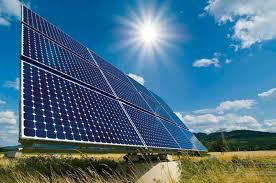
Solar panels are the most visible part of a home solar system. They are installed on the roof or another open area where they can receive sunlight. The amount of electricity they produce depends on sunlight, panel quality, direction, angle, and system size.
Good-quality panels can produce better output and last for many years. Homeowners should ask about panel efficiency, warranty, brand reputation, and performance in hot weather.
Roof space is also important. If a home has limited roof space, high-efficiency panels may be a better choice. If there is enough space, the homeowner may have more flexibility in choosing panels.
Proper placement matters as well. Shade from trees, walls, water tanks, or nearby buildings can reduce solar output. A site survey helps identify the best location for panels.
Inverters and Batteries
The inverter is an important part of a home solar system. It converts electricity produced by solar panels into usable power for home appliances. A good inverter improves system performance and protects electrical equipment.
There are different inverter options for different systems. On-grid systems use grid-tied inverters. Hybrid systems use hybrid inverters that can work with batteries. Off-grid systems use inverters designed for battery-based setups.
Batteries are used when homeowners need backup power. They store extra solar energy and provide electricity when solar production is low or the grid is unavailable.
Battery size should be selected carefully. A battery that is too small may not provide enough backup. A battery that is too large may increase cost without enough benefit. A solar expert can help choose the right battery capacity.
Net Metering for Home Solar Systems
Net metering can help homeowners get more value from an on-grid solar system. It allows extra solar electricity to be sent back to the grid. The exported units can then be adjusted in the electricity bill according to the approved process.
This is useful when a home produces more electricity than it uses during certain daytime hours. Instead of wasting extra power, the homeowner may receive bill adjustment benefits.
The process usually requires proper documentation, technical checks, meter changes, and approval. A solar company should guide homeowners through these steps.
Net metering benefits depend on system size, household usage, approval status, and local rules. Homeowners should ask for clear guidance before installation.
How to Choose the Right System Size
Choosing the right system size starts with reviewing electricity bills. The solar company should check monthly units, daily usage, peak load, and appliance needs. This helps create a system that matches the home’s actual energy demand.
A small system may not cover enough electricity use. A system that is too large may cost more than needed. Proper sizing helps balance cost and performance.
The number of air conditioners, refrigerators, water pumps, and high-load appliances should also be considered. These appliances can affect system size and inverter selection.
Future needs should also be discussed. If the family plans to add more appliances later, the system design should allow room for future expansion.
Installation Process for Home Solar
The installation process begins with a site survey. The solar team checks roof space, sunlight access, shade, structure strength, wiring route, and installation safety.
After the survey, the company prepares a system design and quotation. This should include system size, product details, warranty terms, installation scope, and estimated savings.
During installation, technicians place the mounting structure, install panels, connect wiring, set up the inverter, and add safety devices. The system is then tested before handover.
A professional installation is important for safety and performance. Poor wiring, weak mounting, or wrong panel placement can reduce output and create problems later.
Common Mistakes to Avoid
One common mistake is choosing the cheapest package without checking quality. Low-quality panels, weak inverters, and unsafe wiring can reduce system life and increase repair costs.
Another mistake is skipping the site survey. Without a survey, shade issues, poor roof direction, or weak structure areas may be missed.
Some homeowners choose the wrong system size. A system that is too small may not give expected savings. A system that is too large may cost more than needed.
Warranty terms should also be checked carefully. Homeowners should understand what is covered, how long the warranty lasts, and who will provide service support.
Maintenance Tips for Home Solar Systems
Home solar systems need basic care to perform well. Dust, dirt, bird droppings, and pollution can reduce sunlight absorption. Cleaning panels when needed can help improve energy output.
Homeowners should monitor daily and monthly energy production. Many inverters show output data. If production drops suddenly, the system may need cleaning or inspection.
Wiring, inverter, and mounting structures should also be checked from time to time. Weather, heat, rain, and wind can affect outdoor parts.
Following maintenance guidance from the solar company can help protect the system and improve its working life.
Final Thoughts
A home solar system is a practical choice for families that want lower electricity bills and better energy control. It can support daily power needs, reduce grid dependence, and provide long-term savings.
The right system depends on electricity usage, roof space, budget, backup needs, and product quality. Homeowners should choose a solar company that offers proper planning, safe installation, clear pricing, and reliable after-sales support.
Before installing a solar system, compare options, review warranty terms, understand expected savings, and ask for a proper site survey. With the right planning, a home solar system can provide dependable performance and long-term value.
 Spanish
 English
 Arabic
 French
 Portuguese
 Deutsch
 Turkish
 Dutch
Dutch
 Italiano
 Russian
 Romaian
 Portuguese (Brazil)
 Greek
Greek