
How Vaginal Reconstruction Surgery Improves Quality of Life
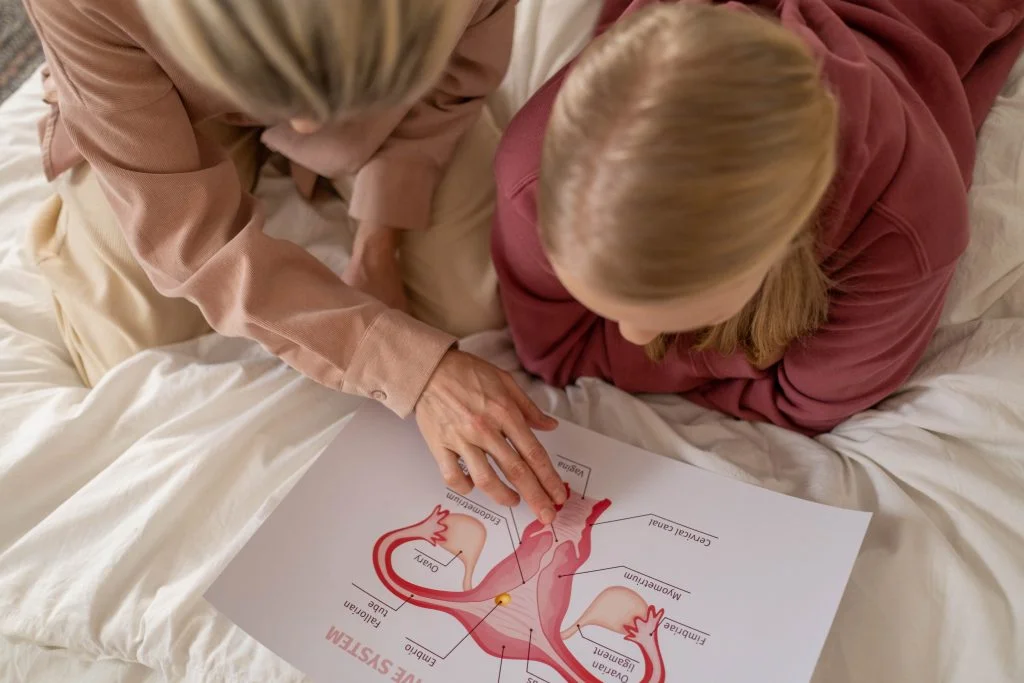
For individuals dealing with pelvic floor damage, childbirth-related injuries, or post-treatment anatomical changes, Vaginal Reconstruction Surgery can play a significant role in restoring physical function and improving overall well-being. This procedure is designed not only to repair structural issues but also to address the broader impact these conditions have on daily life, including comfort, mobility, intimacy, and emotional health. By targeting both functional and anatomical concerns, it helps patients regain confidence and return to normal activities that may have been previously affected.
Restoring Physical Comfort and Daily Function:
One of the most immediate and noticeable improvements after reconstruction is the restoration of physical comfort. Many patients experience chronic discomfort due to weakened pelvic structures, scarring, or prolapse-related pressure, which can interfere with even simple daily activities like walking or sitting.
Physical improvements often include:
- Reduced pelvic pressure and heaviness
- Improved comfort during movement and exercise
- Relief from chronic irritation or discomfort
- Better posture and core stability support
These changes allow individuals to return to normal routines with less pain and greater ease, significantly improving daily functioning.
Improving Pelvic Floor Strength and Stability:
The pelvic floor plays a critical role in supporting organs such as the bladder, uterus, and rectum. When these structures are weakened, it can lead to functional problems that affect bladder control, bowel function, and overall stability. Reconstruction helps restore this foundational support system.
Key improvements in pelvic function include:
- Strengthened muscle support for pelvic organs
- Reduced risk or severity of pelvic organ prolapse
- Improved bladder and bowel control
- Enhanced coordination of pelvic muscles during movement
This restoration contributes to long-term physical stability and reduces the likelihood of worsening symptoms over time.
Enhancing Urinary and Bowel Control:
Many individuals seeking reconstructive procedures experience urinary incontinence or bowel control issues due to pelvic floor damage. These symptoms can be socially and emotionally distressing, impacting confidence and independence.
Improvements in this area may include:
- Reduced stress urinary incontinence during coughing or exercise
- Better control over sudden urges or leakage
- Improved bowel movement regulation in cases of rectal support weakness
- Decreased need for protective products or interventions
By addressing the underlying structural causes, reconstruction often provides more lasting relief compared to temporary management options.
Supporting Sexual Health and Intimacy:
Sexual health is an important component of overall quality of life, and pelvic floor damage can significantly affect comfort, sensation, and confidence during intimacy. Reconstruction aims to restore both structural integrity and functional sensitivity where appropriate.
Improvements related to intimacy may include:
- Reduced pain or discomfort during sexual activity
- Improved tissue support and elasticity
- Enhanced physical comfort and confidence
- Better overall satisfaction in intimate relationships
While outcomes vary, many patients report meaningful improvements in both physical and emotional aspects of sexual well-being after recovery.
Psychological and Emotional Well-Being:
The emotional impact of pelvic floor disorders or vaginal damage is often underestimated. Chronic discomfort, changes in body image, and limitations in daily life can contribute to anxiety, stress, or reduced self-esteem. Surgical reconstruction can help alleviate some of these burdens by improving physical function.
Psychological benefits may include:
- Increased confidence in physical appearance and ability
- Reduced anxiety related to symptoms or discomfort
- Improved emotional well-being and mood stability
- Better social engagement and relationship satisfaction
However, emotional recovery is closely linked to physical healing, and counseling or support may enhance overall outcomes.
Restoring Mobility and Physical Activity Levels:
Many individuals with pelvic floor dysfunction limit physical activity due to discomfort, leakage, or fear of worsening symptoms. After reconstruction, improved structural support allows for greater freedom of movement and exercise participation.
Improvements in mobility may include:
- Ability to resume walking, running, or gym activities
- Reduced fear of leakage during physical exertion
- Improved endurance and core strength engagement
- Greater participation in daily and recreational activities
This return to an active lifestyle often contributes to better overall health and energy levels.
Long-Term Health Benefits and Prevention of Complications:
Beyond immediate improvements, reconstruction can also help prevent long-term complications associated with untreated pelvic floor damage. Strengthening and restoring anatomical structures reduces the risk of symptom progression.
Long-term benefits include:
- Lower risk of worsening pelvic organ prolapse
- Reduced likelihood of recurrent urinary or bowel issues
- Improved structural resilience over time
- Better overall pelvic health maintenance
These benefits contribute to sustained improvements in quality of life and reduce the need for future interventions.
Lifestyle Confidence and Social Well-Being:
Physical symptoms of pelvic dysfunction can sometimes limit social engagement or cause embarrassment in daily interactions. By addressing these issues, reconstruction can help individuals regain confidence in social and professional settings.
Social and lifestyle improvements may include:
- Greater confidence in public and social environments
- Reduced anxiety about symptoms during travel or work
- Improved participation in social and recreational events
- Enhanced overall independence and lifestyle satisfaction
These changes often have a significant positive effect on overall happiness and life satisfaction.
Final Thoughts:
The impact of Vaginal Reconstruction Surgery extends far beyond physical repair, offering improvements in comfort, function, emotional health, and overall quality of life. While results vary depending on individual conditions and healing processes, many patients experience meaningful benefits that allow them to return to normal activities with greater confidence and ease. A thorough medical evaluation and realistic expectations are essential to achieving the best possible outcomes and ensuring that the procedure aligns with both physical needs and personal well-being goals.

 English
 Arabic
 French
 Spanish
 Portuguese
 Turkish
 Dutch
Dutch
 Italiano
 Russian
 Romaian
 Portuguese (Brazil)
 Greek
Greek