
Build a Profitable Insurance Career: Strategies for Long Term Success
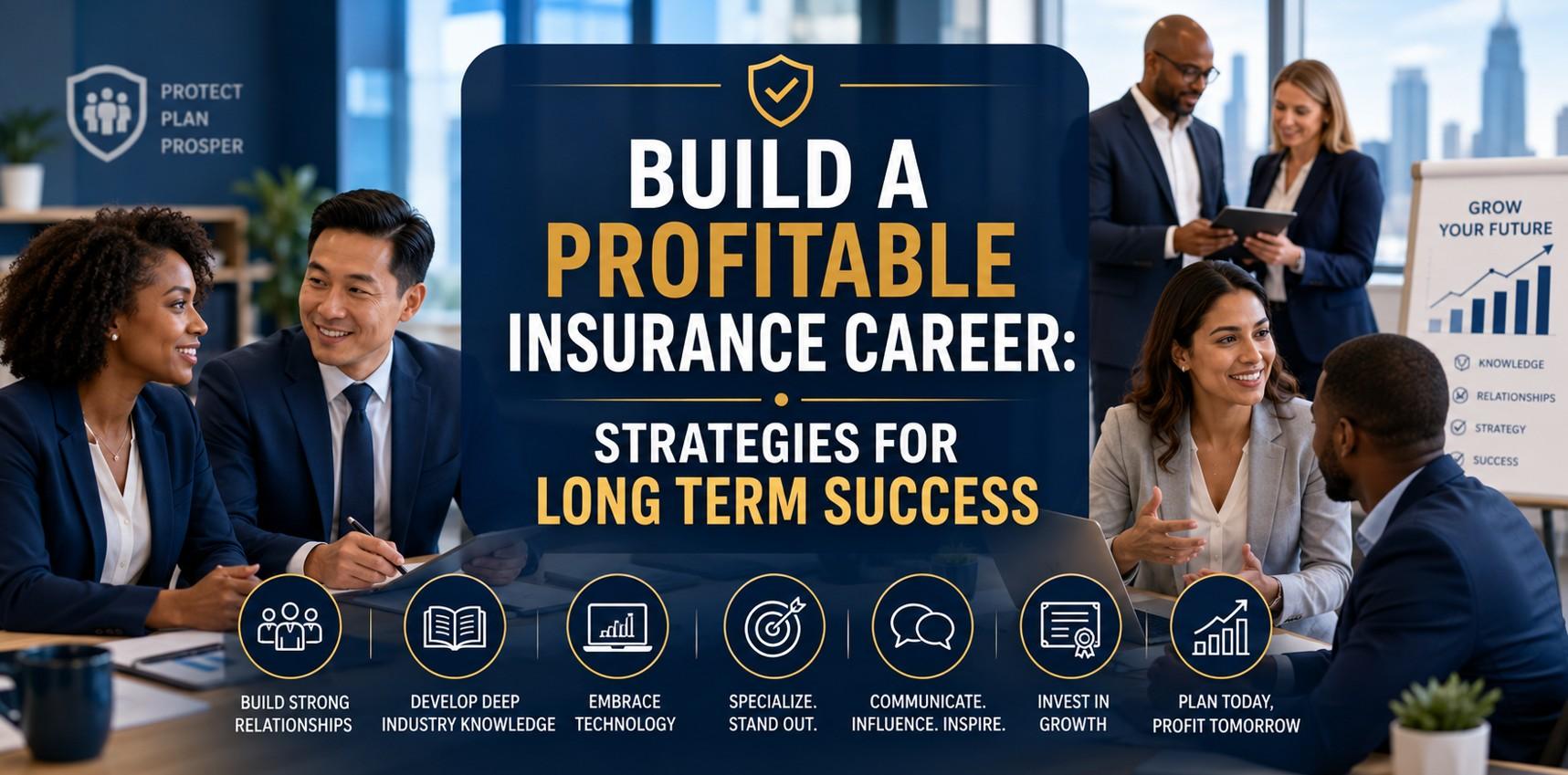
The insurance industry continues to be one of the most stable and rewarding sectors for professionals seeking long term career growth. As businesses and individuals increasingly recognize the importance of risk management and financial protection, the demand for skilled insurance professionals continues to rise.
However, building a profitable insurance career requires more than obtaining a license and selling policies. It demands strategic planning, relationship building, industry expertise, and a commitment to continuous learning.
Whether you are entering the industry or looking to elevate your existing career, understanding the key factors that drive success can help you create sustainable growth and long term profitability.
Why the Insurance Industry Offers Strong Career Potential
Insurance remains a cornerstone of financial security for businesses and consumers alike. From health and life insurance to commercial and property coverage, organizations rely on insurance professionals to help them navigate risks and protect valuable assets.
One of the biggest advantages of an insurance career is the opportunity to generate recurring income while building a loyal client base. Unlike many industries that experience significant market fluctuations, insurance maintains consistent demand because protection is a necessity rather than a luxury.
In addition, insurance professionals often enjoy flexible career paths, allowing them to specialize in various sectors, including commercial insurance, employee benefits, risk management, and financial planning.
Develop Deep Industry Knowledge
Knowledge is one of the most powerful tools in the insurance business. Clients expect advisors to provide guidance that helps them make informed decisions about coverage, compliance, and risk exposure.
Successful professionals invest time in understanding policy structures, regulatory requirements, industry trends, and emerging risks. This expertise allows them to position themselves as trusted advisors rather than simply sales representatives.
Staying informed about technological advancements, changing regulations, and market developments can also create opportunities to offer more valuable solutions to clients.
Focus on Building Strong Relationships
Insurance is fundamentally a relationship driven business. Clients are more likely to work with professionals they trust and feel comfortable contacting when they need assistance.
Building strong relationships requires consistent communication, transparency, and a genuine commitment to helping clients achieve their goals. Rather than focusing solely on making a sale, successful insurance professionals prioritize long term partnerships.
Regular policy reviews, personalized recommendations, and proactive customer service can strengthen client loyalty and increase retention rates. Satisfied clients are also more likely to provide referrals, which can become a significant source of new business.
Embrace Digital Transformation
Technology has transformed the way insurance professionals interact with clients and manage operations. Digital tools can improve efficiency, enhance customer experiences, and support business growth.
Modern insurance professionals use customer relationship management systems, data analytics, digital communication platforms, and automated workflows to streamline processes. These technologies allow professionals to spend more time building relationships and less time handling administrative tasks.
A strong online presence can also contribute to career growth. Potential clients often research advisors before making contact, making professional branding and thought leadership increasingly important in today's marketplace.
Specialization Creates Competitive Advantage
One effective way to build a profitable insurance career is to specialize in a specific niche. Businesses often prefer working with professionals who understand the unique challenges and risks associated with their industry.
For example, an advisor who specializes in healthcare, construction, manufacturing, or technology insurance can offer more targeted solutions than a generalist. This expertise often leads to stronger client relationships, higher credibility, and increased revenue opportunities.
Specialization also allows professionals to differentiate themselves in a crowded marketplace where clients have many options.
Strengthen Sales and Communication Skills
Even the most knowledgeable insurance professional must be able to communicate effectively. Strong communication skills help professionals explain complex insurance concepts in a way that clients can easily understand.
Successful advisors focus on identifying client needs, asking thoughtful questions, and presenting solutions that align with business objectives. Effective communication builds confidence and helps establish trust during every stage of the client relationship.
In addition, strong negotiation and presentation skills can improve conversion rates and contribute directly to career profitability.
Commit to Continuous Professional Development
The insurance industry evolves constantly, making ongoing education essential for long term success. Professionals who invest in certifications, training programs, and industry events are often better positioned to adapt to changing market conditions.
Professional development not only enhances technical knowledge but also demonstrates credibility to clients and employers. It signals a commitment to excellence and can open doors to leadership opportunities within the industry.
Learning should be viewed as a continuous process that supports both personal and professional growth.
Create a Long Term Business Strategy
Profitable insurance careers are rarely built overnight. They require clear goals, consistent effort, and a strategic approach to business development.
Establishing measurable objectives related to client acquisition, retention, revenue growth, and professional development can help maintain focus and accountability. Tracking performance regularly allows professionals to identify strengths, address challenges, and refine their approach.
Long term success often comes from steady growth rather than short term wins. Building a reputation for reliability, expertise, and exceptional service creates a foundation for sustainable profitability.
Conclusion
Building a profitable insurance career requires a combination of industry expertise, relationship management, effective communication, and strategic planning. Professionals who prioritize client value, embrace technology, and commit to continuous learning position themselves for long term success in an increasingly competitive market.
As the insurance industry continues to evolve, those who adapt, specialize, and focus on delivering meaningful solutions will be best equipped to create lasting career growth and financial success.
Frequently Asked Questions
1. What makes an insurance career profitable?
A profitable insurance career is built through strong client relationships, recurring business, referrals, industry expertise, and effective sales strategies that support long term growth.
2. Is specialization important in the insurance industry?
Yes. Specialization helps professionals stand out from competitors, provide more targeted solutions, and establish credibility within specific industries or market segments.
3. How can technology improve an insurance career?
Technology improves efficiency, enhances client communication, streamlines administrative tasks, and provides data insights that support better decision making and business growth.
4. What skills are essential for success in insurance?
Key skills include communication, relationship building, problem solving, sales, negotiation, industry knowledge, and a commitment to continuous learning.
 Dutch
Dutch
 English
 Arabic
 French
 Spanish
 Portuguese
 Deutsch
 Turkish
 Italiano
 Russian
 Romaian
 Portuguese (Brazil)
 Greek
Greek