
Keloid Treatment in Islamabad: Everything You Need to Know Before Starting
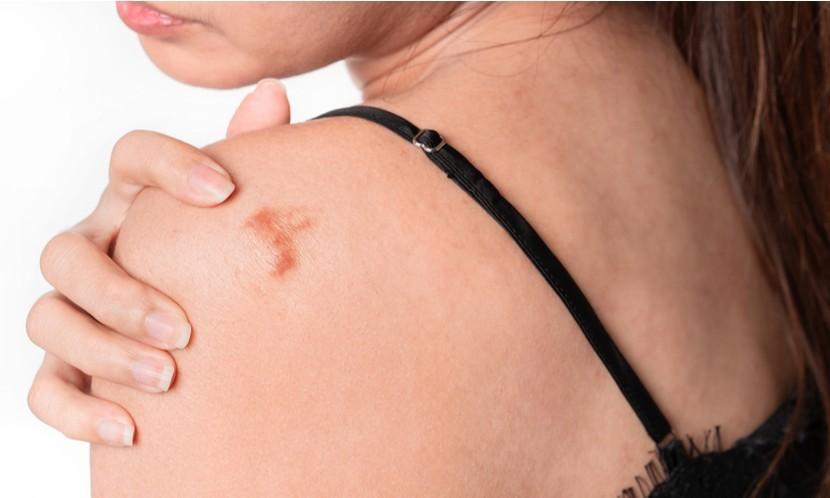
Keloids are raised, thick scars that develop when the body produces excess collagen during the healing process. Unlike ordinary scars, keloids grow beyond the boundaries of the original wound and may continue enlarging over time. They can cause discomfort, itching, tenderness, and cosmetic concerns. If you are considering Keloid Treatment in Islamabad, understanding the available treatment options, expected outcomes, and recovery process can help you make an informed decision.
This guide explains everything you need to know before beginning treatment, including the causes of keloids, suitable treatment methods, and important aftercare tips.
What Is a Keloid?
A keloid is an overgrown scar that forms after the skin experiences an injury. Even a small cut, acne lesion, ear piercing, vaccination, burn, or surgical incision can trigger keloid formation in people who are prone to excessive scar tissue growth.
Unlike normal scars, keloids do not shrink naturally and may continue to expand over time.
Why Do Keloids Develop?
Keloids develop because the body's healing response becomes overactive. During wound healing, collagen is produced to repair damaged skin. In some individuals, collagen production continues even after the wound has healed, resulting in thick, raised scar tissue.
Several factors increase the likelihood of developing keloids, including:
- Family history
- Darker skin tones
- Previous keloid formation
- Surgical wounds
- Burns
- Acne scars
- Ear piercings
- Tattoos
Common Symptoms of Keloids
Keloids can vary in size, color, and texture. Common symptoms include:
- Raised scar tissue
- Firm or rubbery texture
- Pink, red, brown, or darker appearance
- Itching
- Tenderness
- Mild pain
- Slow enlargement over months
Although they are not dangerous, many people seek treatment due to cosmetic concerns or discomfort.
Who Is a Suitable Candidate for Keloid Treatment?
Treatment may be recommended for individuals who:
- Have large or growing keloids
- Experience itching or pain
- Feel self-conscious about visible scars
- Have movement restrictions due to scar location
- Wish to improve the appearance of old scars
A proper consultation helps determine the most suitable treatment based on the size, age, and location of the scar.
Available Keloid Treatment Options
Several treatment options are available depending on the severity of the scar.
Corticosteroid Injections
Steroid injections are among the most commonly recommended treatments. They help reduce inflammation, soften the scar, and gradually flatten the keloid. Multiple treatment sessions are usually required for noticeable improvement.
Laser Therapy
Laser treatment helps reduce redness, improve skin texture, and minimize the thickness of the scar. It is often combined with other therapies for better long-term results.
Cryotherapy
Cryotherapy freezes the scar tissue using extremely cold temperatures. It is generally more effective for smaller keloids and may require multiple sessions.
Silicone Gel Sheets
Silicone sheets and gels help soften and flatten newly formed keloids. They are often recommended as part of post-treatment scar management.
Surgical Removal
Large or persistent keloids may require surgical excision. Since keloids have a tendency to recur, surgery is often combined with steroid injections or other therapies to reduce recurrence.
Combination Therapy
Many specialists recommend combining treatments such as laser therapy, steroid injections, and silicone therapy to achieve improved cosmetic results and reduce the chance of recurrence.
Benefits of Keloid Treatment
Modern treatment offers several advantages, including:
- Reduced scar thickness
- Improved skin appearance
- Relief from itching and discomfort
- Better confidence
- Improved skin texture
- Reduced redness
- Enhanced mobility if scars limit movement
- Lower risk of further scar enlargement
What Happens During the Procedure?
The treatment process depends on the selected method.
Most procedures begin with a consultation where the scar is carefully examined. The practitioner evaluates its size, location, and medical history before recommending a personalized treatment plan.
Depending on the treatment chosen, sessions may take between 15 and 45 minutes. Most non-surgical procedures are performed on an outpatient basis, allowing patients to return home the same day.
Recovery After Keloid Treatment
Recovery varies depending on the treatment approach.
Patients are usually advised to:
- Keep the treated area clean
- Avoid scratching the scar
- Protect the skin from excessive sunlight
- Apply prescribed creams or silicone products
- Attend follow-up appointments
- Avoid unnecessary pressure on the treated area
Some temporary redness, swelling, or mild discomfort is normal and usually resolves within a few days.
Can Keloids Return?
Yes. Keloids have a relatively high recurrence rate, especially if treated with surgery alone. This is why specialists often recommend combination therapies and consistent follow-up care.
Following aftercare instructions carefully significantly improves long-term treatment success.
How to Prevent Future Keloids
Although prevention is not always possible, you can reduce your risk by:
- Avoiding unnecessary piercings or tattoos if you have a history of keloids
- Treating wounds promptly
- Using silicone gel after surgery if recommended
- Protecting healing skin from sun exposure
- Seeking early treatment when abnormal scar growth begins
Frequently Asked Questions
Is keloid treatment painful?
Most treatments involve minimal discomfort. Local anesthesia or cooling techniques may be used to improve patient comfort during certain procedures.
How many treatment sessions are needed?
The number of sessions depends on the size, location, and severity of the keloid. Many patients require multiple appointments for optimal improvement.
Can laser therapy completely remove a keloid?
Laser therapy can significantly improve the appearance of a keloid by reducing redness and thickness, but complete removal may require combination treatment.
How long does recovery take?
Most patients recover within a few days after non-surgical treatments, while surgical recovery may take several weeks depending on the procedure.
Are treatment results permanent?
Results can be long-lasting, but keloids may recur. Proper aftercare and follow-up treatments help reduce the risk of recurrence.
Final Thoughts
Keloids can affect both appearance and comfort, but effective treatment options are available to improve their size, texture, and symptoms. Whether your scar developed after surgery, acne, burns, or piercings, early evaluation allows for better treatment planning and improved outcomes. If you are considering Keloid Treatment in Islamabad, consulting an experienced aesthetic professional can help you choose the most suitable treatment plan based on your skin type, scar characteristics, and long-term goals

 Arabic
 French
 Spanish
 Portuguese
 Deutsch
 Turkish
 Dutch
Dutch
 Italiano
 Russian
 Romaian
 Portuguese (Brazil)
 Greek
Greek