
Step-by-Step Guide to Smarter Living at Home
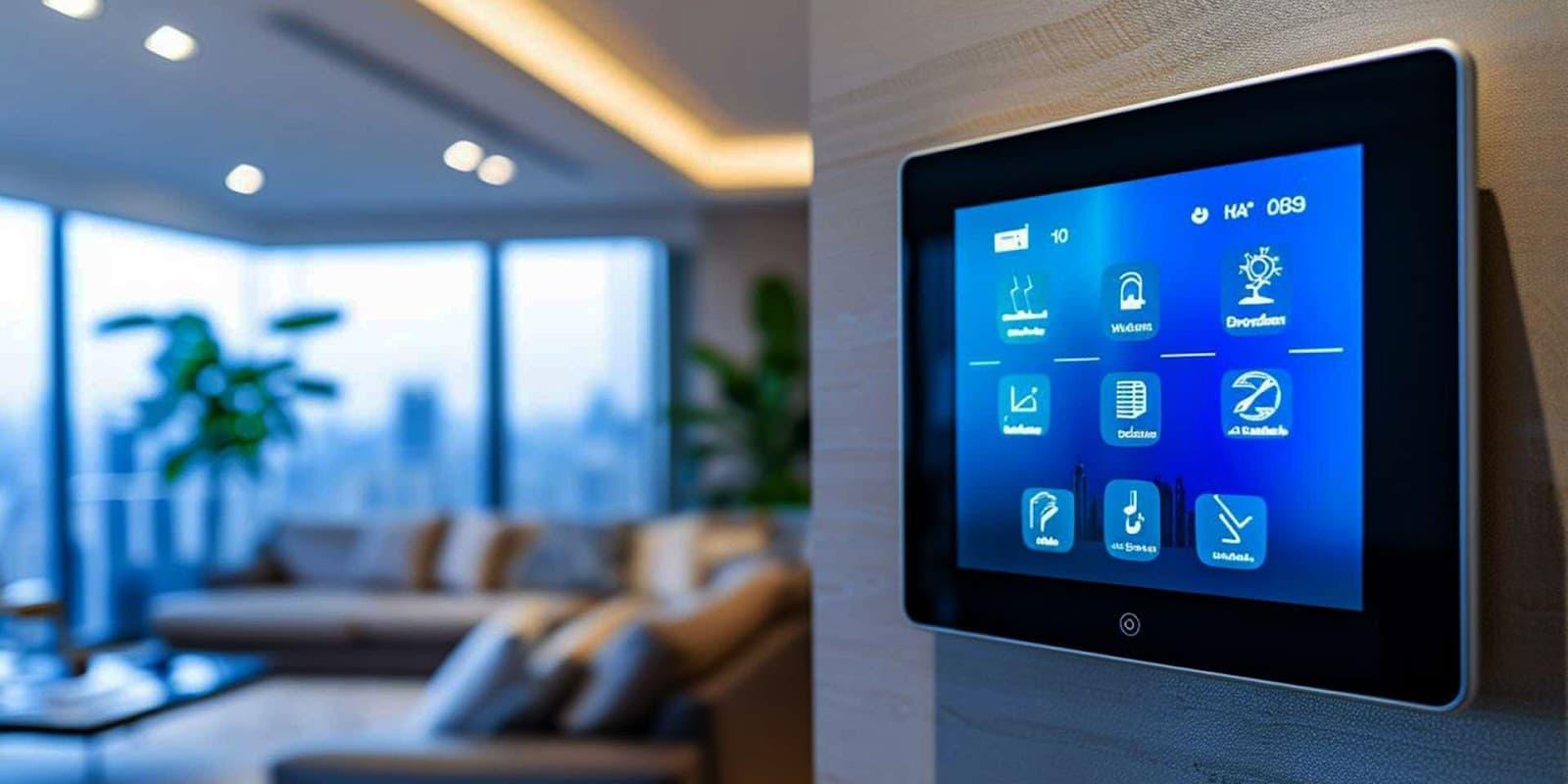
Home automation is changing the way people interact with their homes by connecting different systems into one easy-to-use network. Instead of controlling lights, heating, security devices, and entertainment equipment individually, homeowners can manage everything through a mobile app, tablet, or voice assistant. This technology is designed to improve convenience while making everyday life more comfortable and organized. As connected devices continue to evolve, home automation has become an excellent option for homeowners who want better control over their living environment.
Step One: Identify Your Household Needs
The first step toward building a connected home is understanding your daily routines and priorities. Some homeowners want stronger security, while others focus on energy efficiency or entertainment. Making a list of the features that matter most helps create a system that fits both current needs and future plans. Taking time to evaluate household habits also prevents unnecessary purchases and ensures every connected device serves a useful purpose. A well-planned automation system always starts with understanding how the home is used every day.
Step Two: Choose Compatible Devices
After identifying household needs, the next step is selecting devices that work together. Compatibility is important because connected products should communicate smoothly through one central platform. Lighting controls, thermostats, security cameras, door locks, sensors, and entertainment systems should all support the same automation network whenever possible. Choosing compatible equipment makes the system easier to manage while reducing technical issues. It also simplifies future upgrades because new devices can be added without replacing the existing setup.
Step Three: Create Automated Daily Routines
One of the most useful features of home automation is the ability to create customized routines. Instead of controlling every device manually, homeowners can schedule actions that occur automatically throughout the day. Lights can turn on before sunrise, indoor temperatures can adjust before family members return home, and security systems can activate at bedtime. These personalized routines reduce repetitive tasks and make everyday living more convenient. Automation also helps create a more organized household by ensuring important actions happen consistently.
Step Four: Improve Home Security
Security is often one of the primary reasons homeowners invest in connected technology. Modern systems combine smart cameras, motion sensors, electronic locks, and video doorbells into one integrated platform. Homeowners receive instant notifications if unusual activity occurs, allowing them to respond quickly even when away from home. Remote access also makes it easy to monitor entrances, unlock doors for trusted visitors, and verify that windows and doors are secured. These features provide greater awareness while improving overall household safety.
Step Five: Increase Energy Efficiency
Automation also makes it easier to reduce unnecessary energy use. Smart lighting systems automatically switch off when rooms are empty, while programmable thermostats maintain comfortable indoor temperatures based on daily schedules. Some systems even monitor electricity usage and provide reports that help homeowners identify opportunities to improve efficiency. These small adjustments reduce utility bills while supporting environmentally responsible living. Better energy management allows families to enjoy comfort without wasting valuable resources throughout the year.
Step Six: Work with Experienced Professionals
Although individual devices may appear simple to install, building a reliable automation system often requires professional planning and configuration. Experts understand wireless networks, equipment compatibility, and system optimization. They ensure every component communicates efficiently while preparing the system for future expansion. Homeowners investing in Smart Home Automation System in Paradise Valley AZ receive customized solutions that match their property's design, lifestyle, and long-term goals. Professional installation also reduces setup problems and improves system reliability from the very beginning.
Step Seven: Maintain and Expand Your System
A connected home should continue meeting household needs as technology evolves. Regular software updates, equipment inspections, and routine maintenance help keep the system operating efficiently. As new devices become available, homeowners can expand their existing setup without replacing the entire network. Working with experienced providers of Smart Home Services makes future upgrades much easier while ensuring every new component integrates smoothly with the current system. A properly maintained automation system delivers long-lasting convenience, improved security, greater energy efficiency, and enhanced comfort, making it a valuable investment for any modern home.

 Arabic
 French
 Spanish
 Portuguese
 Deutsch
 Turkish
 Dutch
Dutch
 Italiano
 Russian
 Romaian
 Portuguese (Brazil)
 Greek
Greek