
Pain Level of Liposonix: What Patients Actually Feel
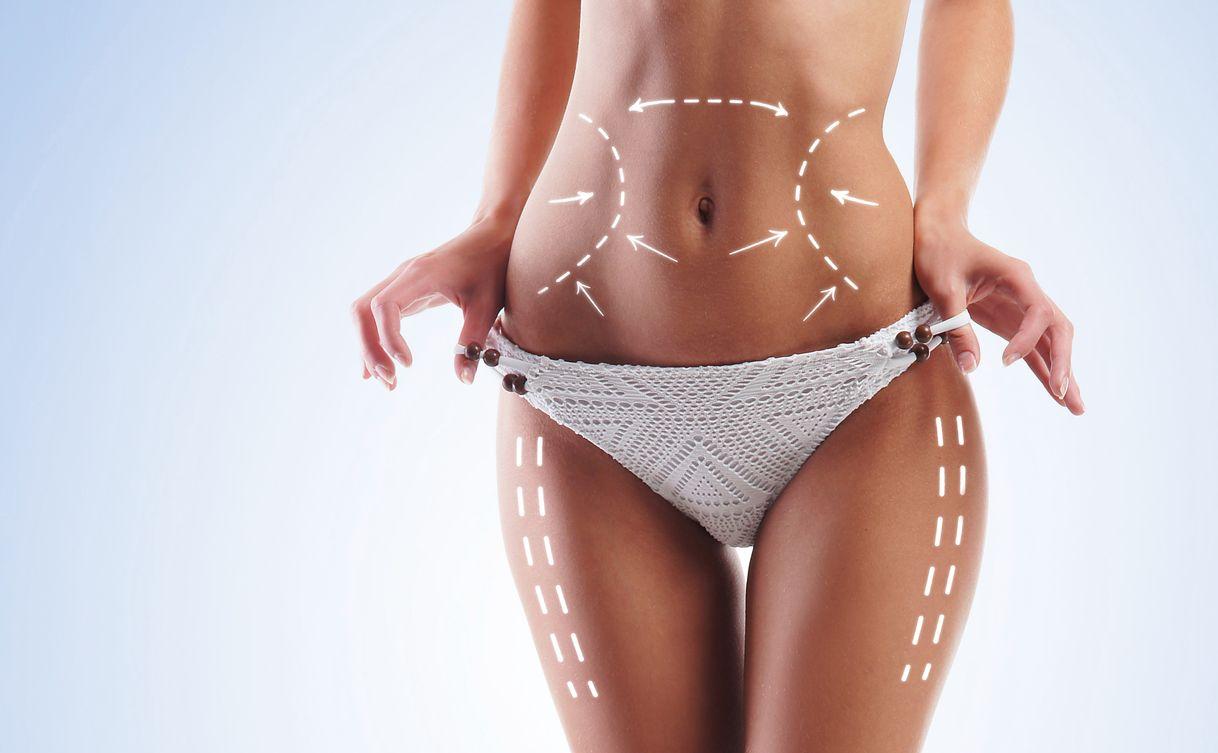
One of the most common concerns people have before undergoing non-invasive fat reduction is how much discomfort they might feel during the procedure. In the middle of growing interest in body contouring technologies, Liposonix treatment is often discussed not only for its fat reduction benefits but also for the level of sensation experienced during the session. Unlike surgical procedures, it does not involve incisions or anesthesia, but it does use high-intensity ultrasound energy, which can create noticeable sensations in the treated area. Understanding what patients actually feel helps set realistic expectations and reduces anxiety before the appointment. Pain perception varies widely between individuals, depending on factors such as skin sensitivity, fat thickness, and personal tolerance levels. While some describe the experience as mildly uncomfortable, others report a more intense but manageable sensation that lasts only during the procedure.
What the Procedure Feels Like During Treatment:
During the session, a handheld device delivers focused ultrasound energy to targeted fat layers beneath the skin. This energy generates heat at a precise depth, which is responsible for breaking down fat cells. As a result, patients may experience a range of sensations that vary in intensity throughout the treatment.
Common sensations include:
- Warm or hot pulses in the abdominal area
- Sharp tingling during higher-energy delivery
- Mild stinging or prickling sensations
- Pressure or tightening feeling under the skin
The intensity often increases briefly when energy is concentrated on deeper fat layers. However, practitioners adjust settings to balance effectiveness and comfort. Most patients remain fully conscious and can communicate throughout the process, which helps manage discomfort in real time. While the sensations may be noticeable, they are typically short-lived and localized to the treatment area.
Pain Level Compared to Other Body Contouring Methods:
Understanding how this procedure compares to other non-invasive treatments helps put its discomfort level into perspective. Different technologies use heat, cold, or mechanical pressure, each producing unique sensations. Compared to surgical fat removal, all non-invasive options are significantly less painful and require no recovery downtime.
Comparison overview:
- More intense than mild surface-level treatments
- Less invasive than surgical liposuction
- Similar discomfort range to other ultrasound-based procedures
- More heat-based sensation compared to cooling-based methods
In comparison, fat-freezing treatments may feel intensely cold at first, while ultrasound-based methods feel warmer and more internally focused. At this stage, Liposonix treatment is often described as moderately uncomfortable but tolerable for most patients, especially since the session is relatively short. The absence of anesthesia means patients are fully aware of sensations, but this also allows real-time adjustments for comfort.
Factors That Influence Pain Perception:
Pain tolerance is highly individual, and several factors can affect how a patient experiences the procedure. What feels mild for one person may feel more intense for another, depending on physical and psychological factors.
Key influencing factors include:
- Thickness and density of fat in the treatment area
- Individual pain threshold and sensitivity
- Hydration levels before treatment
- Anxiety or stress levels during the session
- Previous experience with cosmetic procedures
Patients with thicker fat layers may experience deeper energy penetration, which can feel slightly more intense. Similarly, individuals who are well-hydrated and relaxed tend to tolerate the procedure better. Practitioners often recommend light preparation techniques to improve comfort, such as avoiding caffeine and staying hydrated before the session.
Pain Management and Comfort Techniques:
Clinics use several strategies to ensure patient comfort during the procedure. Although the treatment does not require anesthesia, adjustments can be made to reduce discomfort while maintaining effectiveness. Communication between the patient and practitioner is key throughout the session.
Common comfort techniques include:
- Gradual increase in energy intensity
- Short pauses between treatment zones
- Application of cooling or soothing gels
- Real-time feedback adjustments from the patient
- Relaxation breathing techniques during the session
These methods help manage discomfort and ensure the experience remains tolerable. Most patients find that any discomfort is temporary and subsides immediately after the session ends. The ability to adjust settings during treatment is one of the advantages of non-invasive procedures, allowing personalization based on comfort levels.
After-Treatment Sensations and Recovery Feel:
Once the procedure is complete, most of the discomfort quickly fades. However, it is common to experience mild and temporary sensations in the treated area as the body begins its natural healing and fat elimination process. These post-treatment effects are generally mild and do not interfere with daily activities.
Possible post-treatment sensations include:
- Mild soreness similar to post-exercise muscle fatigue
- Temporary redness or warmth in the area
- Slight tenderness when touching the skin
- Tingling or numbness that fades within days
At this stage, Liposonix treatment shifts from an energy-based procedure to a biological process, where the body gradually eliminates disrupted fat cells. Most patients can return to normal routines immediately after the session, with only minor awareness of the treated area. Drinking water and engaging in light movement can help support recovery and reduce discomfort.
Psychological Perception of Pain:
Pain is not only a physical experience but also a psychological one. Anxiety, expectations, and prior knowledge about the procedure can significantly influence how discomfort is perceived. Patients who are well-informed and prepared often report lower levels of perceived pain compared to those who are uncertain or anxious.
Factors that affect perception:
- Level of pre-treatment anxiety
- Understanding of the procedure beforehand
- Trust in the practitioner
- Distraction techniques used during treatment
- Overall mindset and expectations
Being mentally prepared helps reduce tension, which in turn can make the procedure feel less uncomfortable. Clinics often take time to explain each step of the process, which helps patients feel more in control and relaxed during the session.
Who Finds the Procedure More Comfortable:
While pain perception varies, certain individuals tend to experience the procedure more comfortably than others. These differences are often related to lifestyle, body composition, and familiarity with cosmetic treatments.
Patients who typically report less discomfort:
- Individuals with higher pain tolerance
- Those who maintain good hydration habits
- Patients with prior experience in aesthetic procedures
- Individuals with balanced body fat distribution
- Relaxed and well-prepared first-time patients
On the other hand, individuals with low pain tolerance or higher anxiety levels may find the procedure slightly more intense, but still manageable with proper support and communication.
Final Thoughts:
Understanding the level of discomfort involved in body contouring procedures helps patients make informed decisions and feel more confident before treatment. While Liposonix treatment does involve noticeable sensations due to its use of focused ultrasound energy, the pain is generally moderate, short-lived, and manageable for most individuals. The absence of surgery, anesthesia, and downtime makes it a convenient option for those seeking fat reduction with minimal disruption to daily life. Ultimately, comfort levels depend on individual sensitivity, preparation, and mindset, but with proper guidance and realistic expectations, the experience is well tolerated and results can be rewarding over time.

 Arabic
 French
 Spanish
 Portuguese
 Deutsch
 Turkish
 Dutch
Dutch
 Italiano
 Russian
 Romaian
 Portuguese (Brazil)
 Greek
Greek